Welcome to the National Parks USA forum! Registered members can download resources for free and use the forum without advertising banners. Click here for free registration. After registration, check your mailbox and confirm your email address.
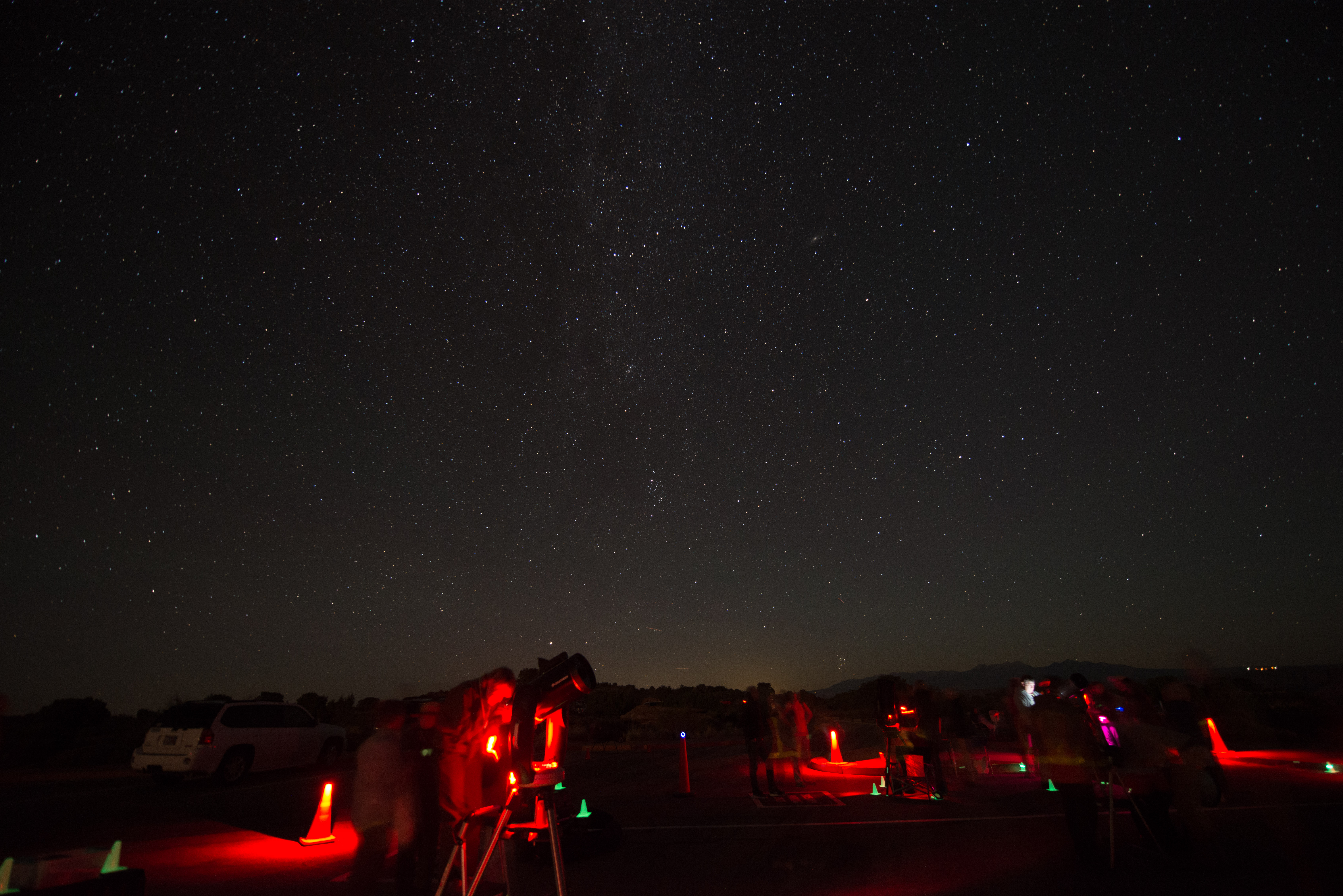
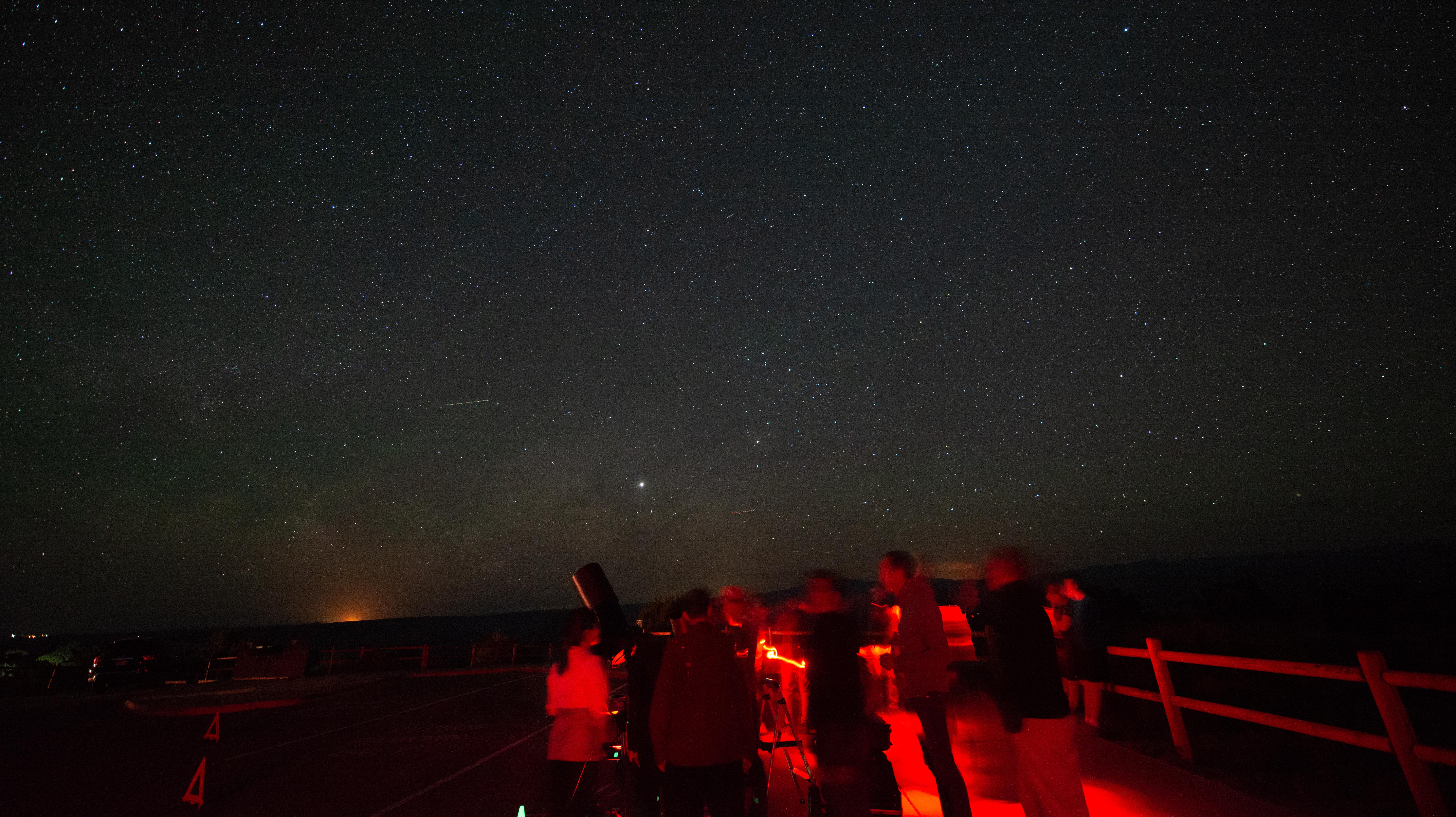
Arches National Park and the surrounding Colorado Plateau offer some of the darkest night skies remaining in the United States. You can enjoy the park after dark by viewing spectacular night skies.
Plan.
Even the light from a thin crescent moon can make it more difficult to see fainter stars or even the Milky Way. You'll see the darkest skies during a new moon or when the moon is below the horizon. Check sunrise and sunset times and moon phases at discovermoab.com.
Give yourself time.
It can take 20-30 minutes for your eyes to adjust to the dark. Spend enough time outside away from bright lights to allow your eyes to adjust.
Use a red light.
White lights from flashlights, cell phones, or vehicle headlights can harm your night vision. A red light won't impact your night vision as much. Many flashlights and headlamps have a red-light feature, or you can simply cover your white light with red cellophane.
Bring a star chart.
A star chart or planisphere can help you find the constellations and Milky Way.
Pets are allowed on roads and parking lots, but you may not take pets away from a road or on trails.
Panorama Point, the stargazing area, and the toilets are all accessible to wheelchairs.
Service animals are welcome. What is a service animal?
Discover guided tours, tickets and activities available near Arches National Park.
Choose an experience type and explore available activities near Arches National Park.
No additional access requirement details are available from the provider.
National Parks Explorer strives to present accurate and up-to-date information collected from official and trusted sources, including the National Park Service. While we make every effort to keep this information current, information may be incomplete, inaccurate, outdated or subject to change without prior notice, including access requirements, permits, reservations, operating hours, alerts, fees, road and trail conditions, weather and other visitor information.