• Registration is easy and free!

  • Welcome to the National Parks USA forum! Registered members can download resources for free and use the forum without advertising banners. Click here for free registration. After registration, check your mailbox and confirm your email address.

Places

Explore America's National Parks, Monuments & Historic Places

From the iconic landscapes of Yellowstone, Yosemite and the Grand Canyon to historic landmarks, national monuments and scenic protected areas, National Parks Explorer helps you discover the best of America's public lands. Browse our growing collection of destinations, compare park types, explore official visitor information and use the filters below to quickly find places by name, state, country or category. Whether you're planning your next road trip or simply exploring from home, your adventure starts here.

Filter places

Clear filters

Places

63 places found
Kenai Fjords National Park
National Park

Kenai Fjords National Park

Alaska United States
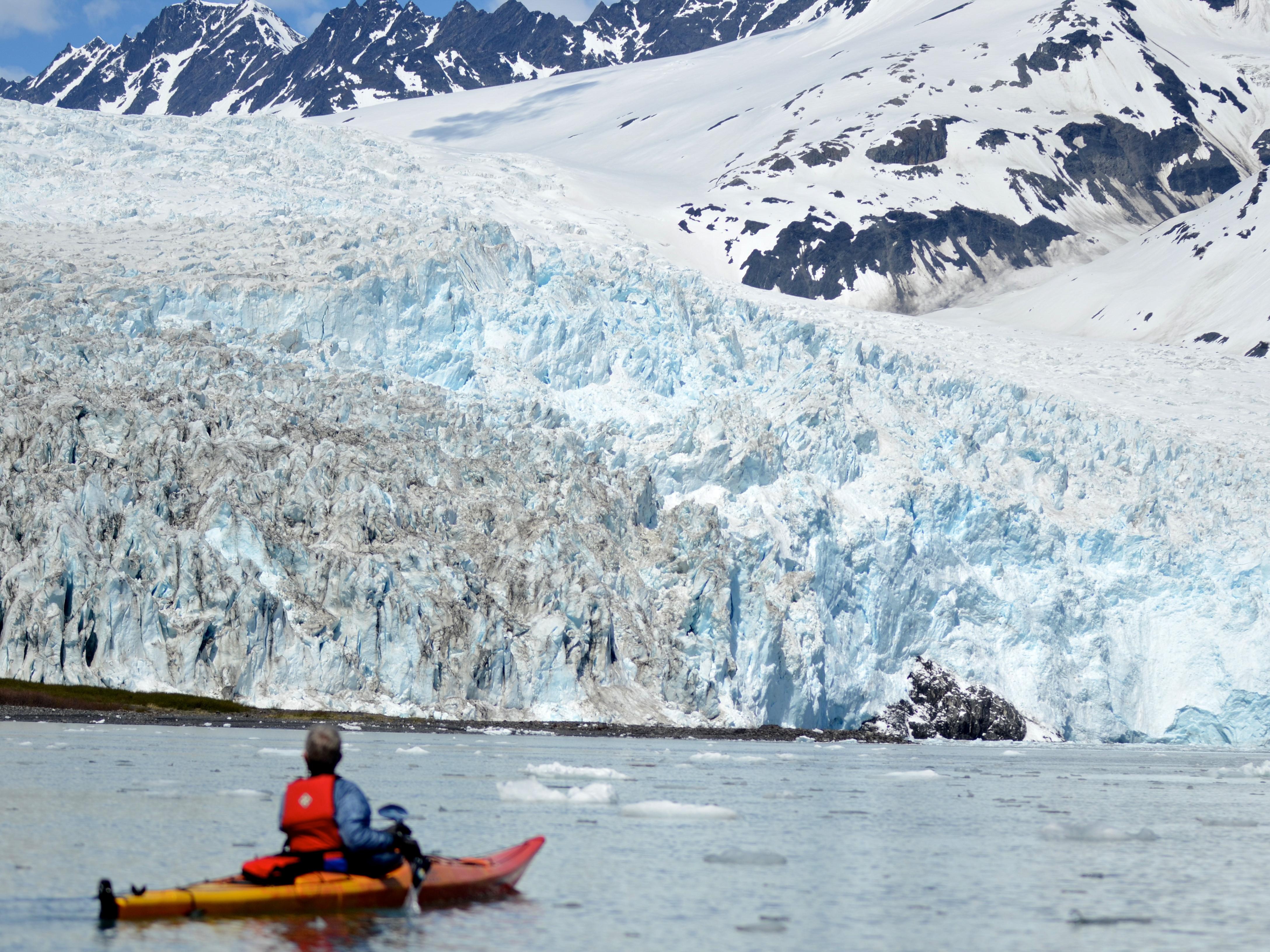
Kenai Fjords National Park protects a spectacular meeting place of ice, mountains, and ocean on Alaska’s Kenai Peninsula. Massive glaciers flow from the Harding Icefield toward deep coastal fjords, while rugged islands and cold marine waters provide habitat for whales, sea otters, seals, seabirds, and other wildlife. Located beside the community of Seward, the park offers some of Alaska’s most memorable glacier and wildlife experiences. Boat tours are one of the best ways to experience Kenai Fjords National Park. Cruises departing from Seward travel through Resurrection Bay and into the surrounding fjords, where visitors may encounter tidewater glaciers descending toward the ocean. Depending on the route and season, wildlife sightings can include humpback whales, orcas, sea otters, Steller sea lions, harbor seals, puffins, and other seabirds. Exit Glacier provides the park’s primary road-accessible experience. Trails allow visitors to explore the landscape shaped by a retreating glacier and see how vegetation gradually returns after the ice disappears. The challenging Harding Icefield Trail climbs much higher, rewarding prepared hikers with extraordinary views across an immense field of ice and surrounding mountains. Kayaking provides another adventurous way to explore the coastal environment. Guided trips can take paddlers through protected bays and fjords while offering a quieter perspective on glaciers, wildlife, and the dramatic Alaska coastline. Flightseeing and other guided experiences provide additional options for viewing the landscape. Hiking, photography, camping, wildlife watching, ranger programs, and backcountry adventures offer more things to do throughout the park. There are no traditional hotels inside Kenai Fjords National Park. Seward is the primary gateway and offers hotels, cabins, campgrounds, restaurants, boat tours, kayak outfitters, fishing charters, and other visitor services. Whether you cruise beneath a tidewater glacier, watch whales in the fjords, hike toward the Harding Icefield, or paddle through Alaska’s coastal wilderness, Kenai Fjords National Park offers an extraordinary combination of glaciers, ocean, mountains, and wildlife.
Kings Canyon National Park
National Park

Kings Canyon National Park

California United States
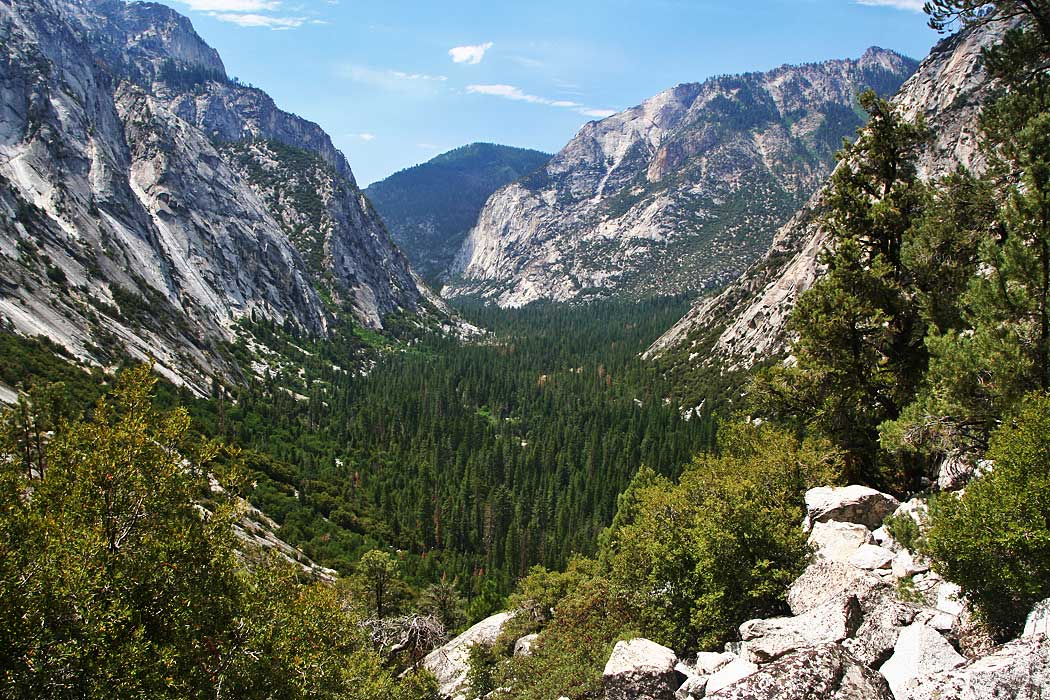
Kings Canyon National Park protects a spectacular section of California’s Sierra Nevada, combining enormous giant sequoias with deep river canyons, granite cliffs, waterfalls, mountain meadows, forests, and vast wilderness. Although the park is administered together with neighboring Sequoia National Park, Kings Canyon offers its own distinctive landscapes and is worth exploring as much more than an extension of its famous neighbor. Grant Grove is a natural starting point for many visitors. Here, trails wind among giant sequoias including the General Grant Tree, one of the largest trees on Earth. Short walks provide an accessible introduction to these remarkable forests, while nearby trails lead into quieter groves and mountain landscapes. Beyond Grant Grove, the Kings Canyon Scenic Byway descends dramatically toward the Kings River and Cedar Grove. The drive reveals changing views of steep canyon walls, forests, rivers, and waterfalls before reaching destinations deeper in the canyon. Stops and trails around Cedar Grove provide access to places such as Zumwalt Meadow and Roaring River Falls, along with routes leading into the surrounding wilderness. Hiking is one of the best things to do in Kings Canyon National Park. Options range from short walks among giant sequoias to demanding backcountry journeys through the Sierra Nevada. Photography, wildlife watching, camping, backpacking, fishing, horseback riding, and ranger programs provide additional ways to experience the park. Lodging is available seasonally in the Grant Grove area, while additional accommodations can be found outside the park and in communities throughout the western Sierra foothills. Because road distances can be considerable, choosing accommodations based on the areas you plan to explore can save valuable travel time. Combining Kings Canyon with Sequoia National Park creates an outstanding Sierra Nevada road trip, but allow enough time for Kings Canyon itself. Experiencing both the giant sequoias of Grant Grove and the dramatic canyon landscape farther east reveals why this park deserves a journey of its own.
Kobuk Valley National Park
National Park

Kobuk Valley National Park

Alaska United States
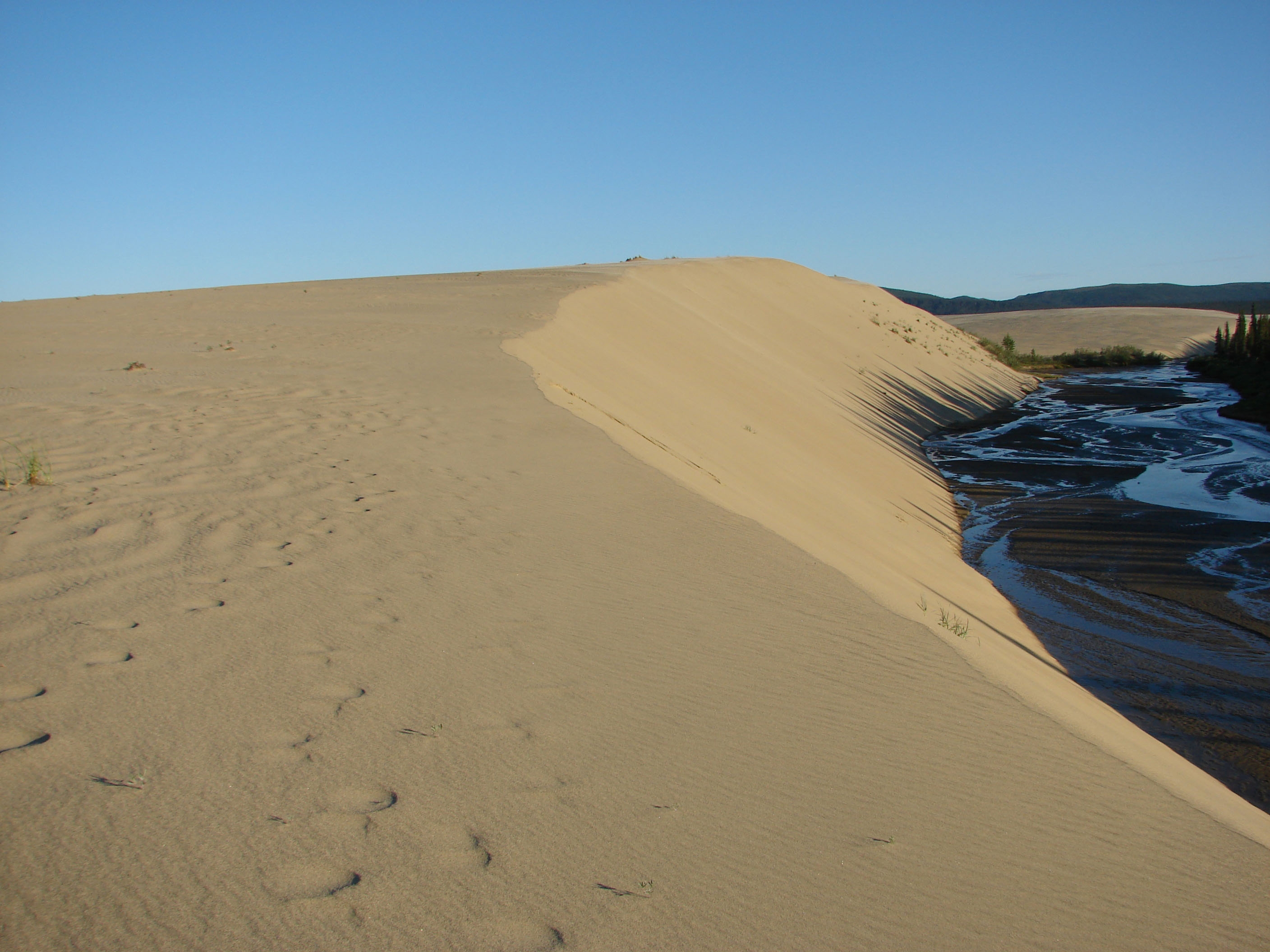
Kobuk Valley National Park protects a remote Arctic landscape of enormous sand dunes, tundra, boreal forest, rivers, wetlands, and wildlife in northwestern Alaska. With no roads, established trails, developed campgrounds, or visitor facilities inside the park, Kobuk Valley offers a true wilderness experience reached primarily by small aircraft. The Great Kobuk Sand Dunes are the park’s most surprising landscape. Rising from the forested Kobuk Valley, these active dunes create an almost desert-like scene hundreds of miles north of where most travelers would expect to find such terrain. Walking across the sand reveals sweeping views of dunes, distant mountains, forests, and the vast Alaska wilderness. Wildlife is another defining part of Kobuk Valley National Park. Caribou from the Western Arctic Caribou Herd migrate through the region during their annual journeys, sometimes crossing the Kobuk River and traveling across the dunes. Moose, bears, wolves, foxes, and numerous bird species also inhabit the wider ecosystem. The Kobuk River provides one of the best ways to travel through the park. Experienced wilderness travelers can float sections of the river by canoe, kayak, or raft while camping along remote shorelines and exploring the surrounding landscape. Guided river trips provide another option for visitors who want professional support in this isolated environment. Backpacking, photography, fishing, wildlife watching, flightseeing, and wilderness camping provide additional things to do. There are no designated trails, so hikers choose their own routes and must be prepared for difficult terrain and complete self-reliance. There are no hotels, restaurants, stores, or other commercial services inside Kobuk Valley. Kotzebue is the principal regional gateway, while smaller communities such as Ambler, Kiana, and Kobuk may support access depending on transportation arrangements. Whether you fly over the Great Kobuk Sand Dunes, camp beneath the Arctic sky, watch migrating caribou, or float the Kobuk River, Kobuk Valley National Park offers an extraordinary opportunity to experience Alaska wilderness without roads, crowds, or conventional park infrastructure.
Lake Clark National Park & Preserve
National Park

Lake Clark National Park & Preserve

Alaska United States
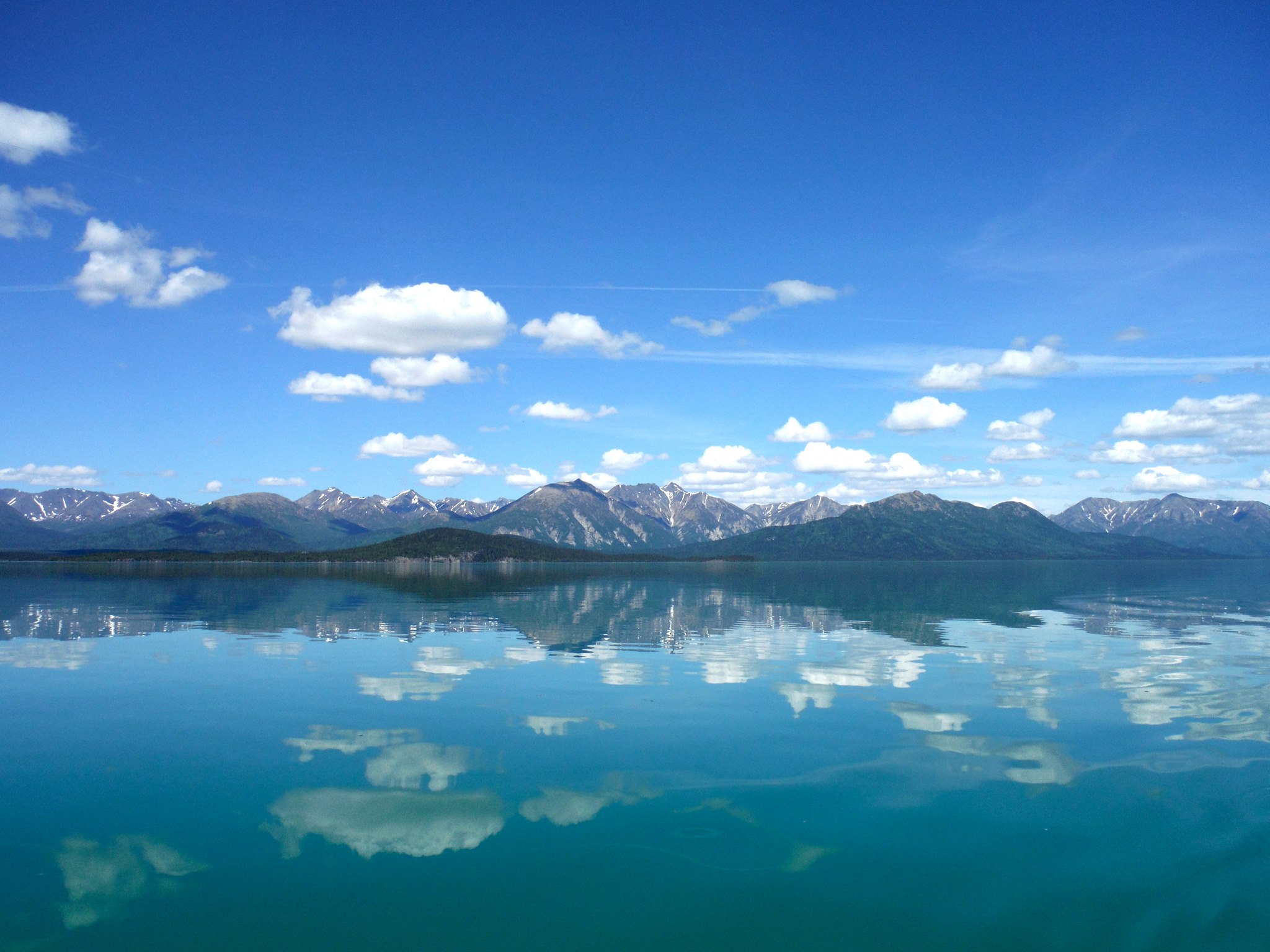
Lake Clark National Park and Preserve protects a spectacular Alaska wilderness where turquoise lakes, glaciers, volcanoes, mountains, rivers, tundra, forests, and the coastline of Cook Inlet come together. Although the park lies only about 100 miles southwest of Anchorage, there are no roads leading into it, making the flight across the Alaska landscape part of the adventure. Brown bear viewing is one of the most popular reasons to visit Lake Clark National Park. Along the Cook Inlet coast, bears can often be observed feeding in tidal marshes and other rich habitats. Chinitna Bay is especially well known for coastal bear viewing, while Crescent Lake provides opportunities to watch bears fishing for salmon when conditions and seasonal movements align. Port Alsworth is the primary community within the park and an important base for visitors. Located beside Lake Clark, it provides access to lodging, air-taxi services, hiking trails, kayaking, fishing, and other wilderness activities. Hiking and backpacking provide opportunities to explore landscapes ranging from lakeshores and forests to rugged mountain terrain. Unlike heavily developed national parks, Lake Clark has relatively few maintained trails, and experienced travelers can design wilderness routes through largely undeveloped country. Fishing is another major attraction. The park’s lakes and rivers support salmon and other fish, attracting anglers to remote lodges and guided fishing experiences. Kayaking, rafting, boating, photography, wildlife watching, camping, flightseeing, and guided wilderness trips provide additional things to do. Two active volcanoes, Redoubt and Iliamna, rise above the region and add another dramatic element to the landscape. Glaciers and icefields surrounding the mountains feed the rivers and lakes below. There are no large national park hotels, but Port Alsworth and remote locations throughout the region offer wilderness lodges and other accommodations. Whether you fly in to watch brown bears, fish an Alaska river, paddle across Lake Clark, hike into the mountains, or stay at a remote wilderness lodge, Lake Clark National Park and Preserve offers an extraordinary combination of accessibility by air and genuine Alaska isolation.
Lassen Volcanic National Park
National Park

Lassen Volcanic National Park

California United States
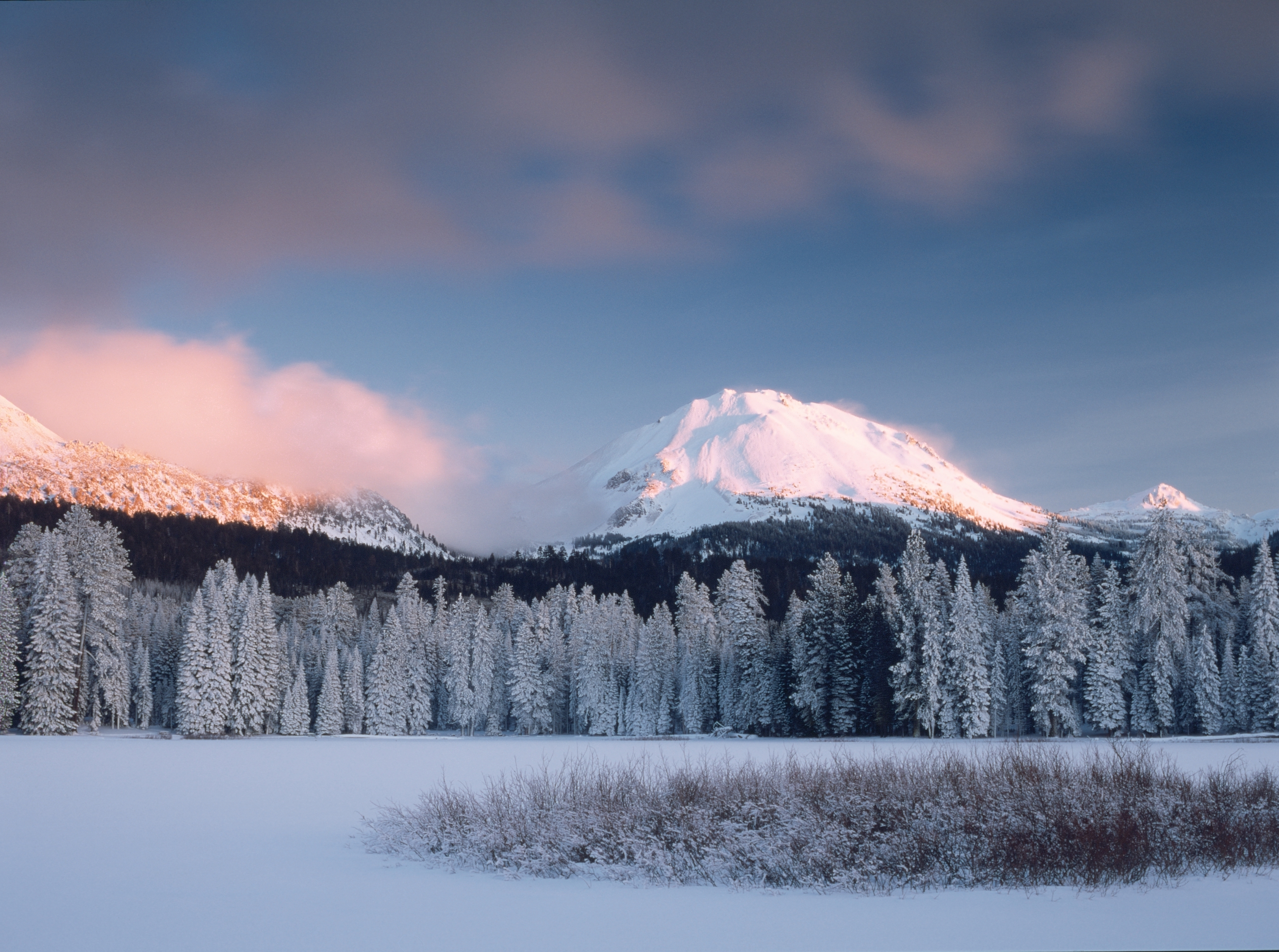
Lassen Volcanic National Park protects one of California’s most fascinating mountain landscapes, where volcanic peaks, steaming fumaroles, bubbling mud pots, alpine lakes, forests, meadows, and waterfalls reveal an environment shaped by both fire and ice. Located at the southern end of the Cascade Range, the park combines active hydrothermal features with outstanding hiking and scenic mountain recreation. Lassen Peak dominates the landscape and provides one of the park’s signature adventures. The challenging trail to its 10,457-foot summit rewards hikers with expansive views across the surrounding volcanic terrain and distant mountains. The peak last erupted during the early 20th century, leaving visible evidence of a landscape that remains geologically active. Bumpass Hell is another essential Lassen experience. A trail leads into the park’s largest hydrothermal area, where boardwalks pass steaming vents, boiling pools, and colorful mineral deposits. Sulphur Works provides a more accessible opportunity to see hydrothermal activity close to the park highway. There are many things to do in Lassen Volcanic National Park beyond volcano-focused attractions. More than 150 miles of hiking trails lead to mountain lakes, waterfalls, forests, volcanic formations, and wilderness. Manzanita Lake is popular for paddling, fishing, photography, and views of Lassen Peak, while trails lead to destinations such as Kings Creek Falls and other scenic areas. Camping, backpacking, stargazing, wildlife watching, snowshoeing, cross-country skiing, ranger programs, and scenic driving provide additional ways to explore throughout the seasons. Traditional hotel lodging inside the park is limited, while cabins and other seasonal accommodations may be available in selected areas. Additional hotels, cabins, restaurants, and visitor services can be found in communities surrounding the park. Whether you come to climb Lassen Peak, walk among steaming hydrothermal features, paddle beneath mountain views, or explore volcanic landscapes on foot, Lassen Volcanic National Park offers a remarkable combination of geology and outdoor adventure in Northern California.
Mammoth Cave National Park
National Park

Mammoth Cave National Park

Kentucky United States
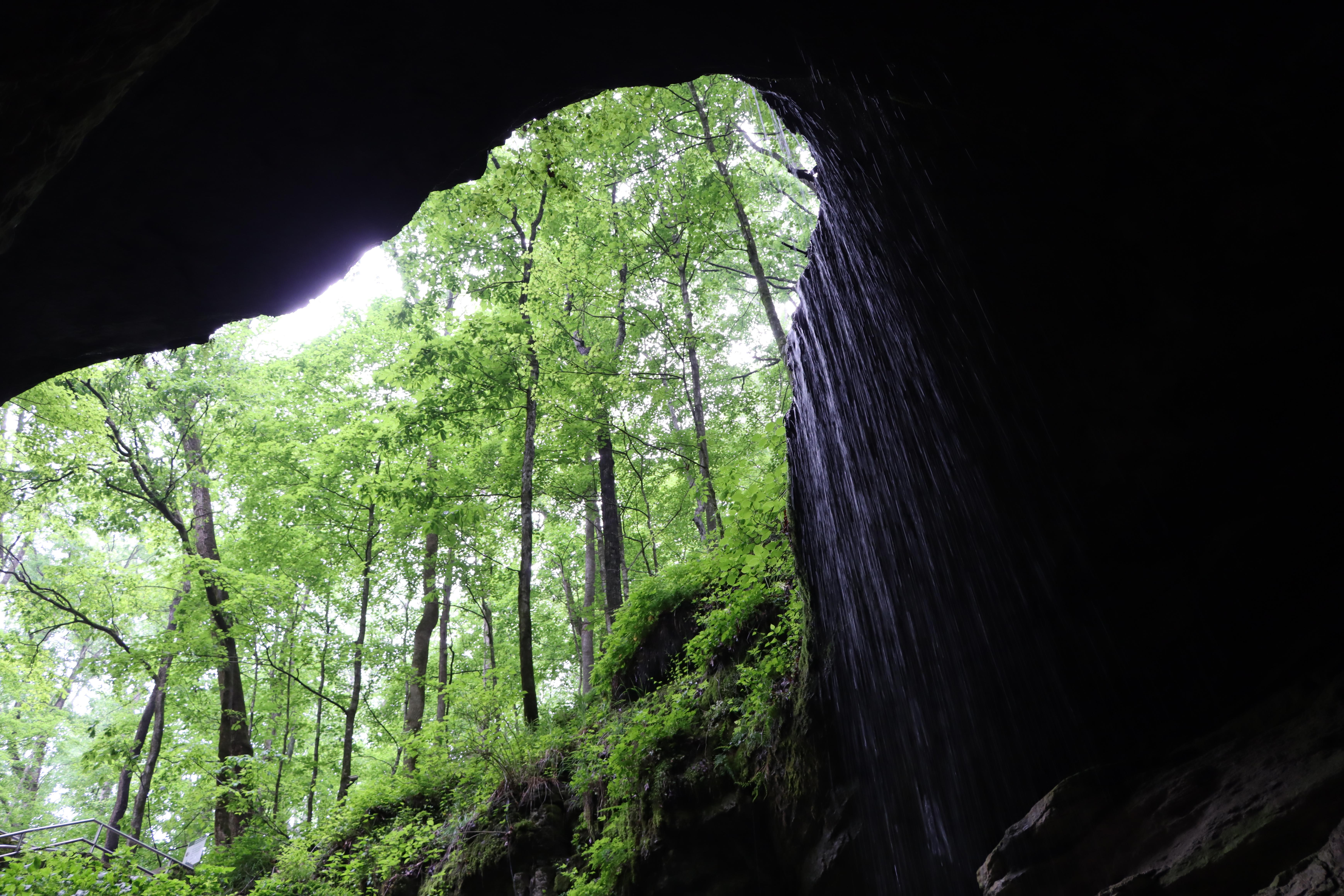
Mammoth Cave National Park protects the world’s longest known cave system beneath the rolling hills and forests of south-central Kentucky. With more than 400 miles of explored underground passages and a diverse landscape above ground, the park combines cave adventures, hiking, rivers, wildlife, history, camping, and family-friendly outdoor activities. Exploring Mammoth Cave itself is the centerpiece of most visits. Ranger-guided cave tours reveal enormous chambers, narrow passages, historic routes, geological formations, and stories spanning thousands of years of human interaction with the underground world. Different tours provide very different experiences, ranging from relatively accessible introductions to longer and more physically demanding journeys. The Historic Entrance provides one of the classic gateways into the cave system and connects visitors with generations of exploration and tourism. Other tour routes reveal features such as Frozen Niagara and extensive sections of the underground landscape that demonstrate the extraordinary scale of Mammoth Cave. There are also plenty of things to do above ground. Miles of hiking trails cross forests, ridges, sinkholes, and river valleys, while trails such as Cedar Sink provide opportunities to see how the underground geology shapes the surface. Wildlife watching, photography, bicycling, horseback riding, and ranger programs provide additional ways to explore. The Green and Nolin Rivers add another dimension to a Mammoth Cave vacation. Canoeing, kayaking, fishing, and riverside recreation allow visitors to experience the park from the water, while backcountry areas offer opportunities for longer wilderness trips. Lodging is available near the visitor center, and several campgrounds provide additional overnight options inside the park. Nearby communities offer more hotels, cabins, restaurants, and visitor services. Whether you are planning your first cave tour, a Kentucky family vacation, a hiking and camping trip, or several days exploring both above and below ground, Mammoth Cave National Park rewards visitors who discover that its remarkable cave system is only one part of a much larger protected landscape.
Mesa Verde National Park
National Park

Mesa Verde National Park

Colorado United States
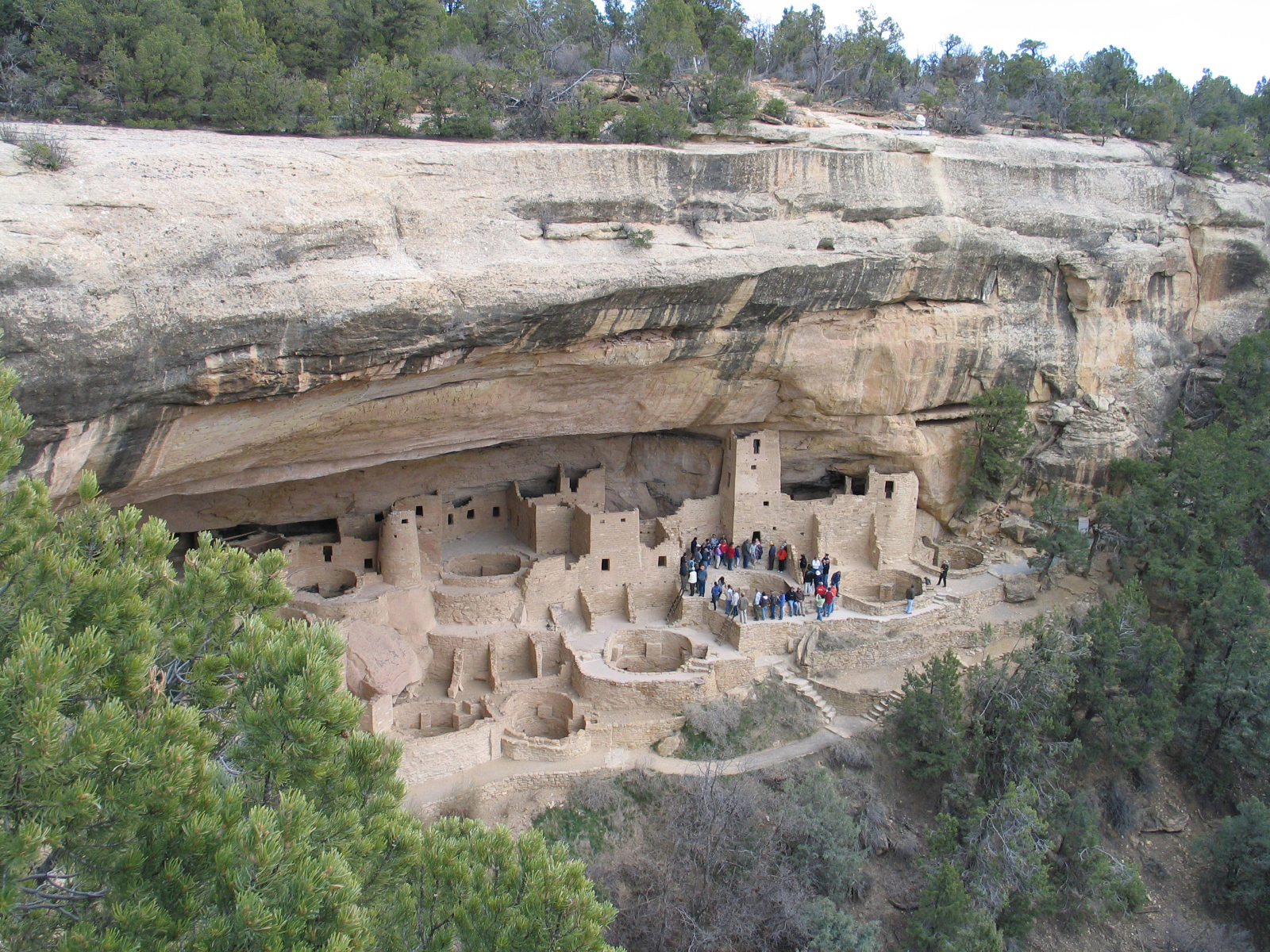
Mesa Verde National Park preserves one of the most remarkable cultural landscapes in the United States, protecting centuries of Ancestral Pueblo history among the mesas and canyons of southwestern Colorado. Best known for its extraordinary cliff dwellings, the park offers visitors an opportunity to experience architecture, archaeology, mountain scenery, hiking, and living connections to the Indigenous peoples whose ancestors called this region home. Cliff Palace is Mesa Verde’s most famous archaeological site and one of the largest cliff dwellings in North America. Built beneath a massive sandstone alcove, its rooms, towers, and ceremonial spaces provide a remarkable glimpse into a community that flourished here centuries ago. Other cliff dwellings and ancestral sites throughout the park reveal different aspects of Pueblo life and architecture. Mesa Top Loop Road provides an excellent introduction to the long human history of Mesa Verde. Stops along the route trace hundreds of years of development, from earlier mesa-top communities to elaborate cliff dwellings. Overlooks also provide views of sites such as Cliff Palace and Square Tower House. One of the best ways to experience Mesa Verde is through a ranger-guided cliff dwelling tour. Depending on the site and season, these experiences can bring visitors much closer to the architecture while providing valuable historical and cultural context. Hiking, photography, birdwatching, stargazing, winter recreation, and exploring Wetherill Mesa provide additional things to do beyond the best-known archaeological sites. Far View Lodge provides seasonal lodging inside Mesa Verde National Park, while Morefield Campground offers another overnight option. Additional hotels, restaurants, and visitor services are available in nearby Cortez and Mancos, with Durango providing a larger tourism base farther east. Whether Mesa Verde is the focus of your Colorado vacation or part of a larger Four Corners road trip, allow enough time to explore beyond a single cliff dwelling. Understanding the relationship between the ancestral sites, surrounding landscape, and Pueblo peoples transforms a visit from simple sightseeing into one of America’s most distinctive national park experiences.
Mount Rainier National Park
National Park

Mount Rainier National Park

Washington United States
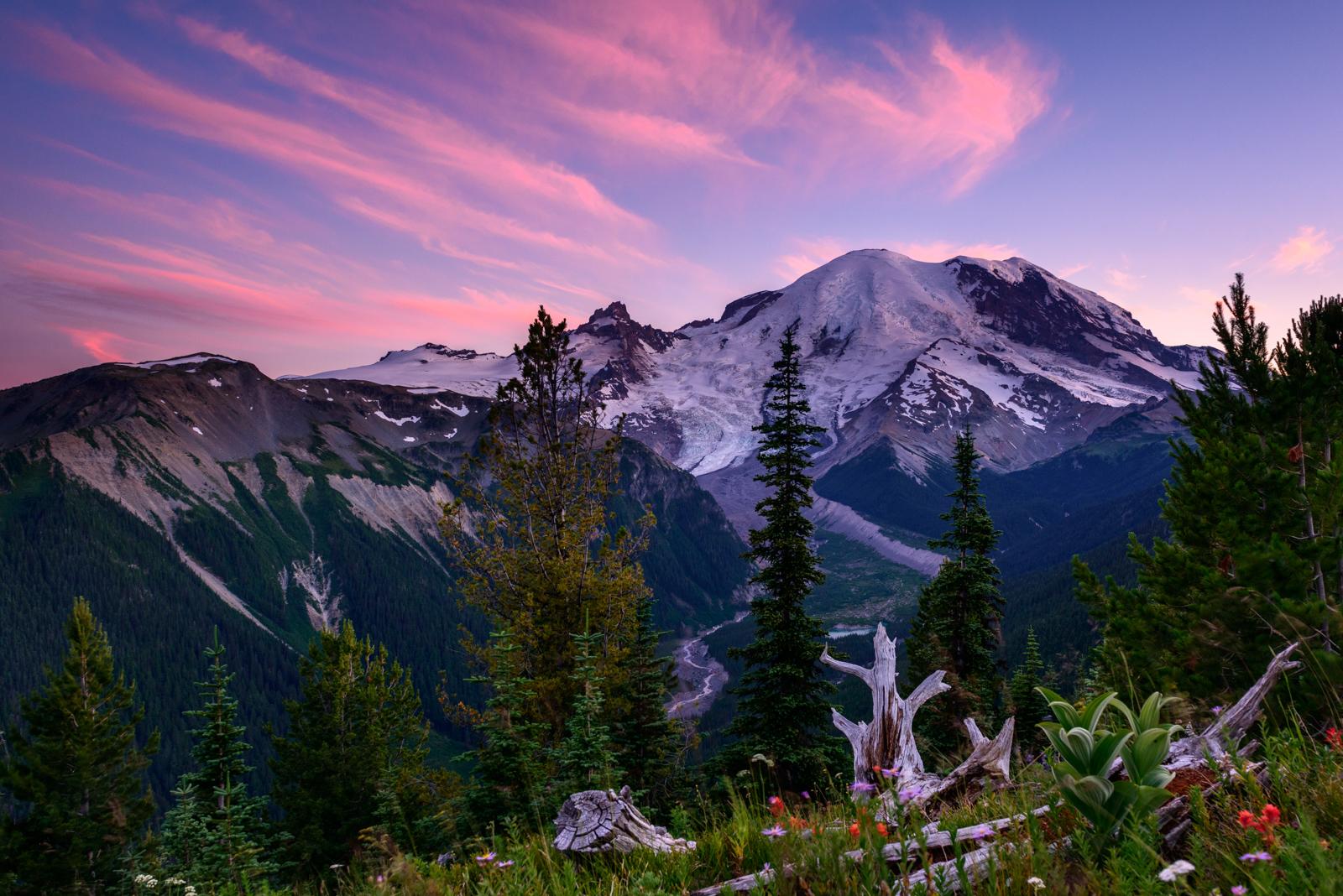
Mount Rainier National Park surrounds one of the most recognizable mountains in the Pacific Northwest. Rising to 14,410 feet above Washington State, Mount Rainier dominates the surrounding landscape with glaciers, snowfields, waterfalls, old-growth forests, alpine terrain, and wildflower-covered meadows. Its location within reach of Seattle makes the park popular for both day trips and longer mountain vacations. Paradise is one of the best-known areas of Mount Rainier National Park and an excellent starting point for first-time visitors. Trails climb through subalpine meadows toward increasingly dramatic views of the mountain and its glaciers. During the short summer wildflower season, these meadows become especially colorful. The Skyline Trail is one of the area’s classic hiking experiences, while shorter routes provide options for visitors looking for easier walks. Sunrise, on the northeastern side of Mount Rainier, offers another remarkable perspective. Located high on the mountain, the area provides expansive views, access to alpine hiking trails, and opportunities to experience a different side of the park. There are many things to do beyond the major viewpoints. More than 260 miles of maintained trails provide opportunities for hiking and backpacking, including the famous Wonderland Trail around Mount Rainier. Visitors can also enjoy waterfalls, wildlife watching, photography, camping, ranger programs, snowshoeing, and guided climbing or outdoor experiences. Where you stay can influence how much of the park you can explore. Lodging is available at selected locations inside Mount Rainier, while communities surrounding the park provide additional hotels, cabins, vacation rentals, restaurants, and visitor services. Whether you are planning a day trip from Seattle, hiking among summer wildflowers, photographing waterfalls and glaciers, or spending several days exploring different sides of the mountain, Mount Rainier National Park rewards visitors who allow time for changing weather, elevation, and scenery.
New River Gorge National Park & Preserve
National Park

New River Gorge National Park & Preserve

West Virginia United States
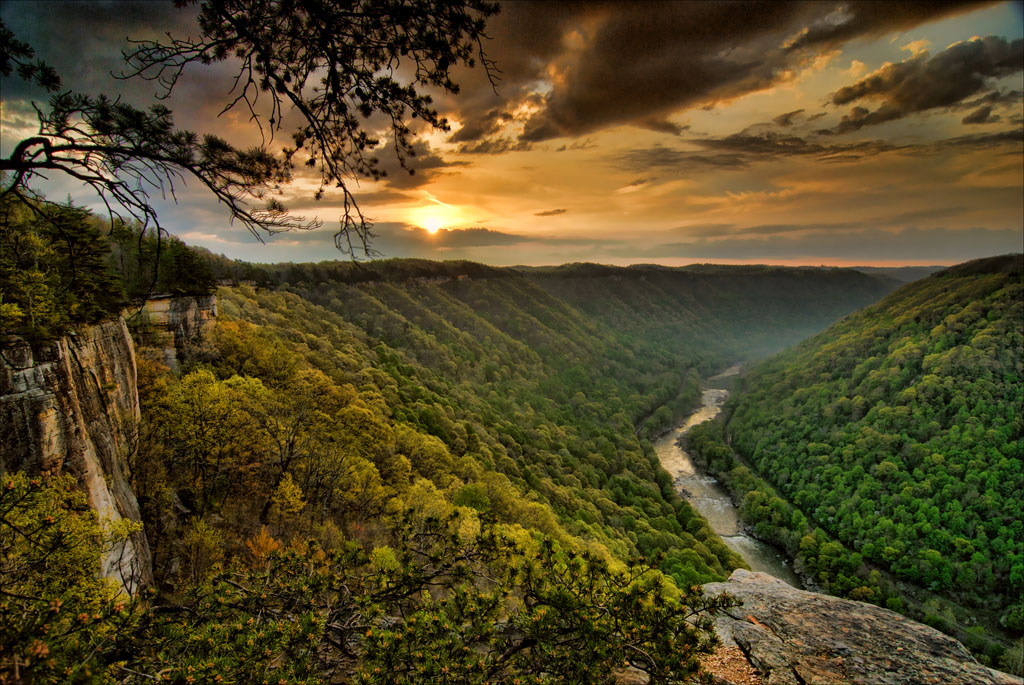
New River Gorge National Park and Preserve protects a spectacular landscape of forested mountains, sandstone cliffs, waterfalls, historic communities, and the New River as it winds through southern West Virginia. Outdoor adventure is at the heart of the experience, with hiking, whitewater rafting, rock climbing, mountain biking, fishing, and scenic overlooks attracting visitors throughout the year. The New River Gorge Bridge is the park’s most recognizable landmark. Spanning the gorge high above the river, the massive steel arch has become a symbol of West Virginia. Canyon Rim Visitor Center provides excellent views of the bridge and access to a short boardwalk trail that descends to additional overlooks. Hiking is one of the best things to do in New River Gorge National Park. The Endless Wall Trail follows cliffs high above the river and provides dramatic views into the gorge, while Long Point Trail leads to a classic perspective of the bridge. Grandview offers additional trails, overlooks, and seasonal scenery from high above the New River. Whitewater rafting is another defining New River Gorge experience. Commercial outfitters offer guided trips through sections of the river ranging from relatively gentle water to exciting rapids, allowing both newcomers and experienced paddlers to experience the gorge from below. Rock climbing is equally important to the park’s adventure culture, with extensive sandstone cliffs attracting climbers from around the country. Mountain biking, fishing, birdwatching, photography, camping, and ranger programs provide additional activities. The park also preserves the history of communities shaped by coal mining and railroads. Thurmond and other historic areas provide a fascinating contrast with the surrounding wilderness. There are no traditional national park lodges inside New River Gorge, but nearby Fayetteville and surrounding West Virginia communities offer hotels, cabins, campgrounds, restaurants, rafting outfitters, climbing guides, and other visitor services. Whether you come to hike above the gorge, raft the New River, climb sandstone cliffs, photograph waterfalls, or explore Appalachian history, New River Gorge National Park and Preserve combines outdoor adventure with one of the most dramatic landscapes in the eastern United States.
North Cascades National Park
National Park

North Cascades National Park

Washington United States
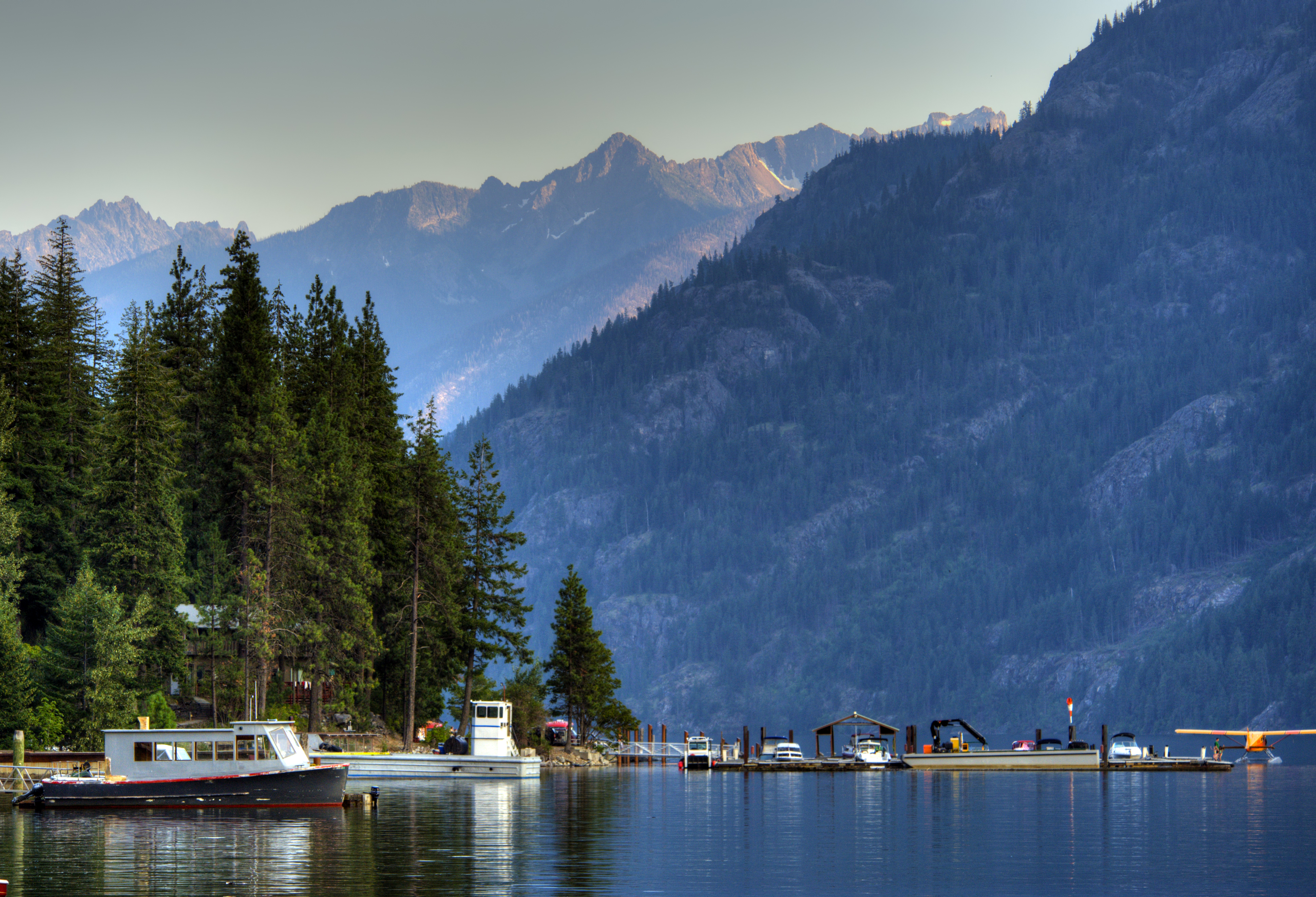
North Cascades National Park protects one of the wildest mountain landscapes in Washington State, where jagged peaks, glaciers, alpine lakes, waterfalls, old-growth forests, and deep river valleys create a spectacular wilderness. Located within reach of Seattle but far removed from urban life, the North Cascades reward travelers who come prepared to hike, backpack, climb, camp, and explore. The North Cascades Highway provides the most accessible introduction to the region. Scenic stops and nearby trails reveal forested valleys, mountain views, and striking blue-green waters throughout the greater park complex. Ross Lake and the surrounding mountains provide opportunities for boating, paddling, fishing, camping, and wilderness exploration. Hiking is one of the best things to do in North Cascades National Park. Hundreds of miles of trails range from short forest walks to demanding mountain routes leading toward alpine lakes and high passes. Cascade Pass is among the park’s classic hiking destinations, while trails around Thunder Creek, Thornton Lakes, and other areas provide additional opportunities to experience the rugged landscape. Backpacking and mountaineering take visitors even deeper into the North Cascades. Remote camps, glacier-covered peaks, and extensive wilderness make the park especially rewarding for experienced outdoor travelers seeking multi-day adventures. The wider North Cascades complex also includes the remote Stehekin Valley at the northern end of Lake Chelan. With no road connection to the rest of Washington, Stehekin is reached by boat, plane, or trail and offers hiking, camping, lodging, and a remarkably isolated mountain experience. Lodging inside the greater park complex is limited, while communities along Highway 20 and in the Skagit, Methow, and Lake Chelan areas provide additional hotels, cabins, restaurants, and visitor services. Whether you drive the North Cascades Highway, hike toward an alpine pass, paddle on Ross Lake, or disappear into the backcountry for several days, North Cascades National Park offers one of the most rugged and rewarding wilderness experiences in the Pacific Northwest.
Olympic National Park
National Park

Olympic National Park

Washington United States
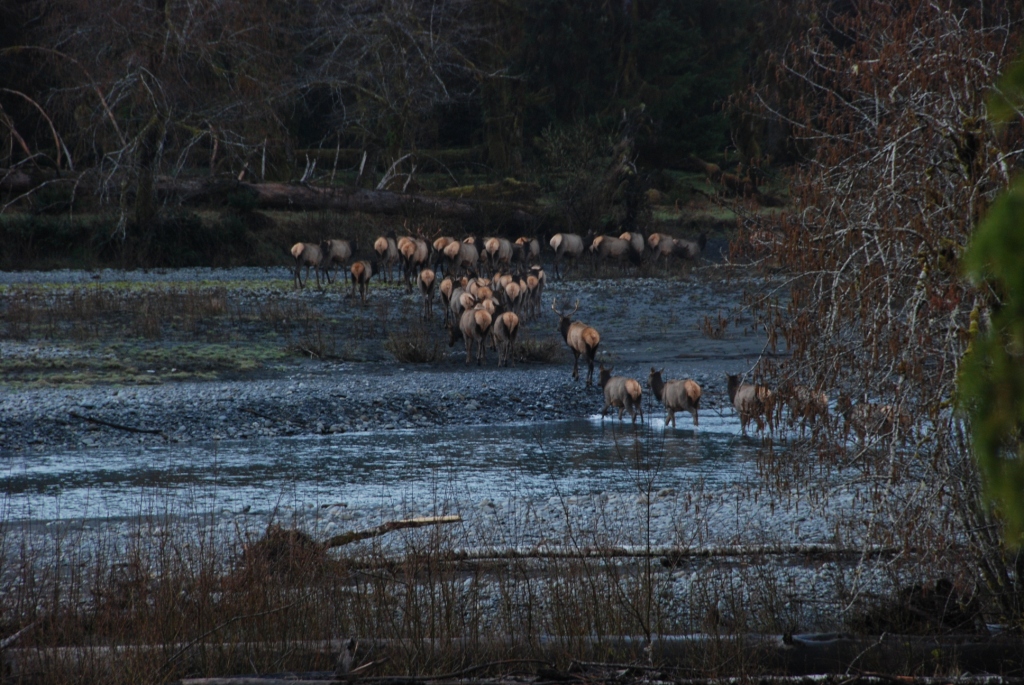
Olympic National Park is one of Washington State’s most diverse outdoor destinations, bringing together rugged Pacific coastline, temperate rain forests, glacier-carved mountains, alpine meadows, lakes, rivers, and old-growth forests. Located on the Olympic Peninsula, the park offers several remarkably different landscapes within a single national park. The Hoh Rain Forest is among Olympic’s most famous destinations. Moss-covered trees, enormous ferns, and dense old-growth forest create an environment unlike almost anywhere else in the United States. Farther north, Hurricane Ridge provides access to mountain scenery, hiking trails, wildflowers, and sweeping views across the Olympic Mountains. Lake Crescent offers another change of pace, with clear water surrounded by steep forested mountains and trails leading to destinations such as Marymere Falls. Olympic’s Pacific coastline adds an entirely different experience. Beaches such as Ruby Beach and Rialto Beach feature driftwood, rocky headlands, tide pools, offshore sea stacks, and dramatic sunsets. Exploring the coast can be especially rewarding when visits are planned around changing tides. Hiking is one of the most popular things to do in Olympic National Park, but it is only the beginning. Visitors can also enjoy wildlife watching, photography, kayaking, fishing, backpacking, tide pooling, scenic drives, hot springs, ranger programs, and guided outdoor experiences. Because Olympic National Park is so large, choosing where to stay is an important part of trip planning. Port Angeles makes a convenient base for Hurricane Ridge and the northern areas of the park, while Forks provides easier access to the Hoh Rain Forest and western beaches. Lodges and cabins are also available at several locations inside the park, with additional hotels and vacation accommodations throughout the Olympic Peninsula. Rather than trying to see Olympic in a single day, consider spending several days exploring its different ecosystems. A trip that combines mountain trails, ancient rainforest, Lake Crescent, and the wild Pacific coast reveals why Olympic National Park is one of the most varied national park experiences in America.
Petrified Forest National Park
National Park

Petrified Forest National Park

Arizona United States
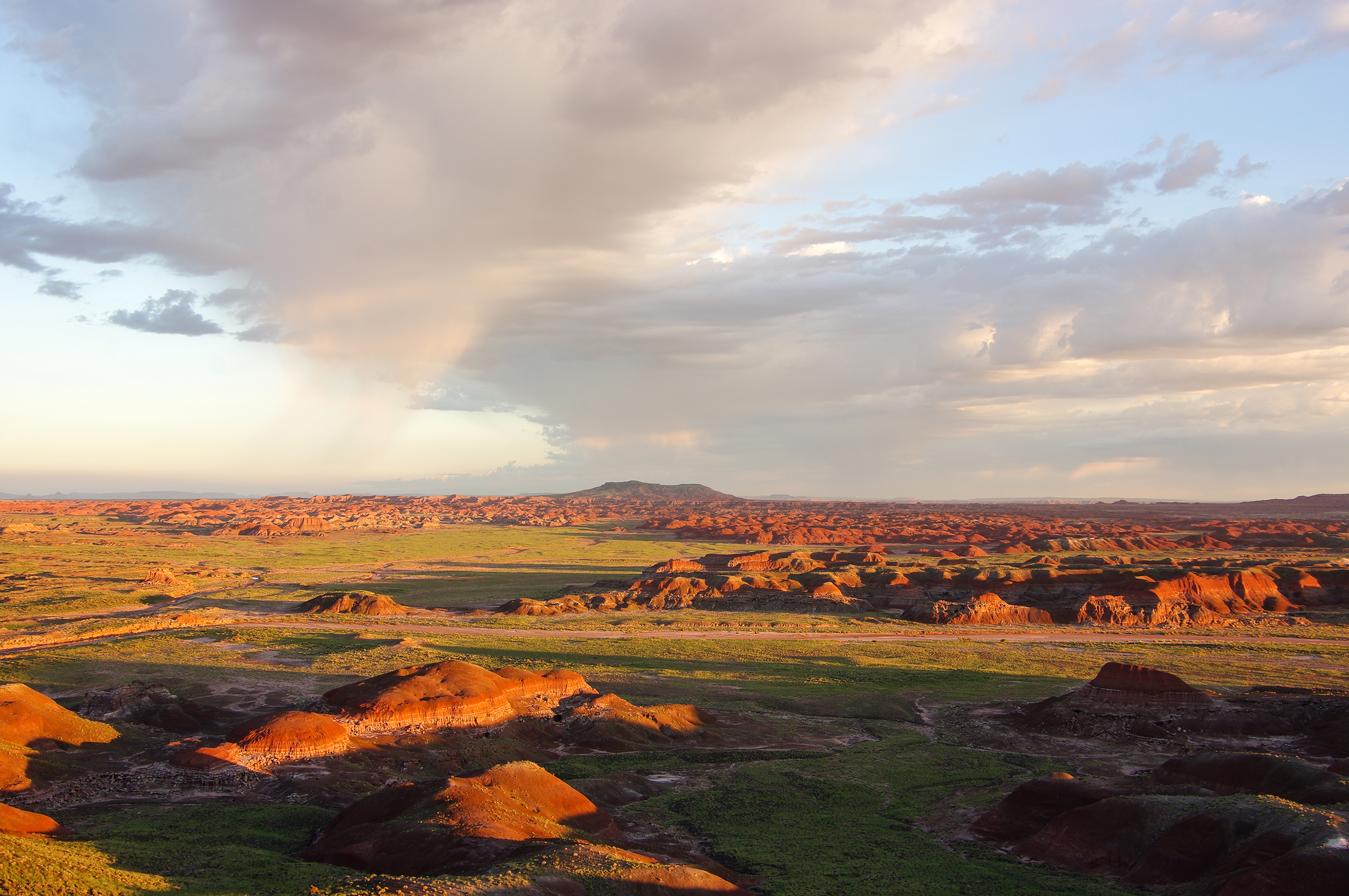
Petrified Forest National Park protects one of Arizona’s most unusual landscapes, combining brilliantly colored petrified wood with the Painted Desert, sculpted badlands, grasslands, fossils, petroglyphs, and historic Route 66. Located in northeastern Arizona, the park reveals more than 200 million years of natural history while offering an easy-to-explore destination for scenic drives, short hikes, photography, and backcountry adventures. The greatest concentrations of petrified wood are found in the southern portion of the park. Trails around Giant Logs and Crystal Forest provide close views of ancient trees transformed into colorful stone, with minerals creating remarkable patterns of red, yellow, purple, and other colors. The Rainbow Forest Museum adds context through exhibits about fossils and the prehistoric environments preserved here. Farther north, Blue Mesa reveals an entirely different landscape. A scenic road and hiking trail lead among striped badlands colored in shades of blue, gray, purple, and white. Continuing toward the Painted Desert brings expansive views across mesas, buttes, and open wilderness that can stretch for dozens of miles. Human history is equally important. Puerco Pueblo and nearby petroglyph sites preserve evidence of ancestral Pueblo communities, while the historic Painted Desert Inn tells another chapter of the region’s story. A preserved section of the Route 66 corridor recalls the era when travelers crossed northern Arizona on America’s famous highway. Hiking, backpacking, photography, bicycling, wildlife watching, ranger programs, and stargazing provide additional things to do in Petrified Forest National Park. Visitors willing to leave the developed trails can explore remarkably quiet backcountry landscapes. There are no traditional hotels or developed campgrounds inside the park. Nearby Holbrook provides hotels, restaurants, fuel, and other visitor services, while wilderness backpacking offers the only overnight camping within the park itself. Whether Petrified Forest is a destination of its own or a stop on an Arizona or Route 66 road trip, taking time to explore beyond the roadside overlooks reveals a landscape filled with far more than its famous petrified trees.

Discover America's National Parks and Protected Places

America's national parks and protected places preserve some of the most extraordinary landscapes, wildlife habitats and historic landmarks in the world. From the geothermal wonders of Yellowstone and the immense granite walls of Yosemite to the desert scenery of Arches, the coastal wilderness of Acadia and the deep canyons of the Southwest, every destination offers a different way to experience the natural and cultural heritage of the United States. National Parks Explorer brings these remarkable places together in one easy-to-browse collection. Whether you are planning a family vacation, a national park road trip, a weekend hike or a once-in-a-lifetime outdoor adventure, you can use this directory to discover destinations that fit your interests. Explore famous national parks, national monuments, historic sites, recreation areas, scenic parkways and other protected landscapes while learning what makes each place unique. Our goal is to make the first stage of trip planning easier by helping you compare destinations, find new ideas and move quickly from inspiration to practical visitor information.

Use the filters above to search for places by name, place type, country or state and subdivision. This makes it easy to find national parks in a particular part of the country, explore destinations near an upcoming road trip or discover protected places that you may not have considered before. Visitors often begin with celebrated destinations such as the Grand Canyon, Great Smoky Mountains, Rocky Mountain, Zion or Olympic National Park, but the National Park System also includes battlefields, seashores, memorials, historic parks, preserves and many smaller sites with important stories to tell. Exploring by place type can reveal a wider range of experiences, from mountain trails and desert arches to historic buildings, scenic drives, islands, caves and waterways. The collection will continue to grow as additional destinations and visitor information are added. By keeping the search tools simple and placing the most important information in a consistent format, National Parks Explorer helps travelers spend less time searching across disconnected pages and more time deciding where their next adventure should begin.

Each destination page is designed to support practical trip planning. Depending on the information available, you may find park descriptions, maps, directions, weather guidance, current alerts, operating information, fees, reservation requirements and suggestions for things to do. This can help you understand whether a destination is suitable for a short visit, a full day, a multi-day stay or part of a longer national park itinerary. Conditions and access requirements can differ greatly between parks and seasons. Mountain roads may close during winter, desert temperatures can become dangerous in summer and popular trails or scenic areas may require timed entry, permits, lotteries or advance reservations. Reviewing these details before traveling can help you prepare more confidently and avoid preventable surprises. National Parks Explorer organizes planning information into clear sections so visitors can quickly identify what deserves extra attention. You should still confirm essential details with the official managing agency before departure, especially when your plans depend on road access, permits, opening hours, weather conditions or availability.

National park travel can take many forms. Some visitors are looking for challenging hikes, wildlife watching and remote backcountry experiences, while others prefer scenic overlooks, accessible trails, historic landmarks, photography locations or relaxed family activities. A successful trip does not require visiting only the most famous parks. Smaller monuments, historic sites and recreation areas can provide memorable experiences with fewer crowds and may fit naturally into a regional itinerary. Consider combining well-known destinations with nearby protected places, allowing enough time for travel, changing weather and unexpected discoveries along the way. Always respect posted regulations, wildlife safety guidance, trail closures and Leave No Trace principles so these places remain protected for future visitors. National Parks Explorer is built for travelers who enjoy discovering America's public lands and want a clear starting point for their research. Browse the destinations above, refine the results with the available filters and open any Place Card to continue exploring. Your next memorable park experience may be a world-famous landscape, a quiet historic location or a hidden destination that you discover here for the first time.

Planning a national park journey often begins with choosing the right region and understanding how several destinations can fit together. The western United States is known for dramatic mountain ranges, desert scenery and large wilderness areas, while the eastern states offer forested parks, historic landscapes, coastlines and scenic drives. Alaska and Hawaii provide entirely different experiences, from glaciers and remote wildlife habitats to volcanic landscapes and tropical ecosystems. Travelers can use National Parks Explorer to compare these regions and identify places that match their available time, preferred season and style of travel. A carefully planned itinerary may combine a major national park with nearby monuments, historic sites or recreation areas that are sometimes overlooked. These additional stops can add variety to a journey and provide a deeper understanding of the landscapes and communities surrounding the best-known destinations.

Seasonal timing can have a major influence on the national park experience. Spring may bring waterfalls, wildflowers and cooler hiking conditions, while summer offers longer daylight hours but can also bring crowds, heat and limited availability. Autumn is popular for changing colors, wildlife activity and comfortable temperatures in many regions. Winter transforms some parks into quiet snow-covered landscapes, although roads, facilities and trails may be closed or difficult to reach. The ideal season depends on the destination, elevation, climate and activities you hope to enjoy. Before finalizing a trip, review current conditions, transportation options, reservation rules and operating schedules. Flexible planning is especially valuable when weather, wildfire activity, flooding or temporary closures affect access. Having alternative places and activities in mind can help keep an itinerary enjoyable even when plans need to change.

Responsible travel helps protect national parks and historic places for future generations. Visitors should remain on designated trails where required, store food safely, observe wildlife from an appropriate distance and follow all local regulations. Carrying sufficient water, preparing for changing weather and understanding personal limits are essential parts of outdoor safety. In busy destinations, arriving early or using park transportation can reduce congestion and improve the experience. In quieter locations, visitors may need to be more self-sufficient because services and mobile coverage can be limited. National Parks Explorer provides a convenient starting point for researching destinations, but final decisions should always be based on current information from the official managing agency. Explore the collection, compare different types of protected places and continue building an itinerary that reflects your interests, available time and sense of adventure.
Information & Disclaimer

National Parks Explorer strives to present accurate and up-to-date information collected from official and trusted sources, including the National Park Service. While we make every effort to keep this information current, information may be incomplete, inaccurate, outdated or subject to change without prior notice, including access requirements, permits, reservations, operating hours, alerts, fees, road and trail conditions, weather and other visitor information.

Read more Read less

Always verify the latest information with the relevant official source before making travel plans, reservations, purchases or visiting a park.

National Parks Explorer is an independent information platform provided through national-parks-usa.com and is not affiliated with or endorsed by the National Park Service or other data providers. All information is provided for general informational and planning purposes only and is used entirely at your own risk. To the fullest extent permitted by applicable law, National Parks Explorer and national-parks-usa.com cannot be held responsible or liable for any loss, damage, injury, inconvenience, missed reservation, travel disruption, financial loss, additional expense or other costs resulting from the use of, or reliance upon, information provided through this website.

Back
Top