• Registration is easy and free!

  • Welcome to the National Parks USA forum! Registered members can download resources for free and use the forum without advertising banners. Click here for free registration. After registration, check your mailbox and confirm your email address.

Places

Explore America's National Parks, Monuments & Historic Places

From the iconic landscapes of Yellowstone, Yosemite and the Grand Canyon to historic landmarks, national monuments and scenic protected areas, National Parks Explorer helps you discover the best of America's public lands. Browse our growing collection of destinations, compare park types, explore official visitor information and use the filters below to quickly find places by name, state, country or category. Whether you're planning your next road trip or simply exploring from home, your adventure starts here.

Filter places

Clear filters

Places

63 places found
Yellowstone National Park
National Park

Yellowstone National Park

Wyoming United States
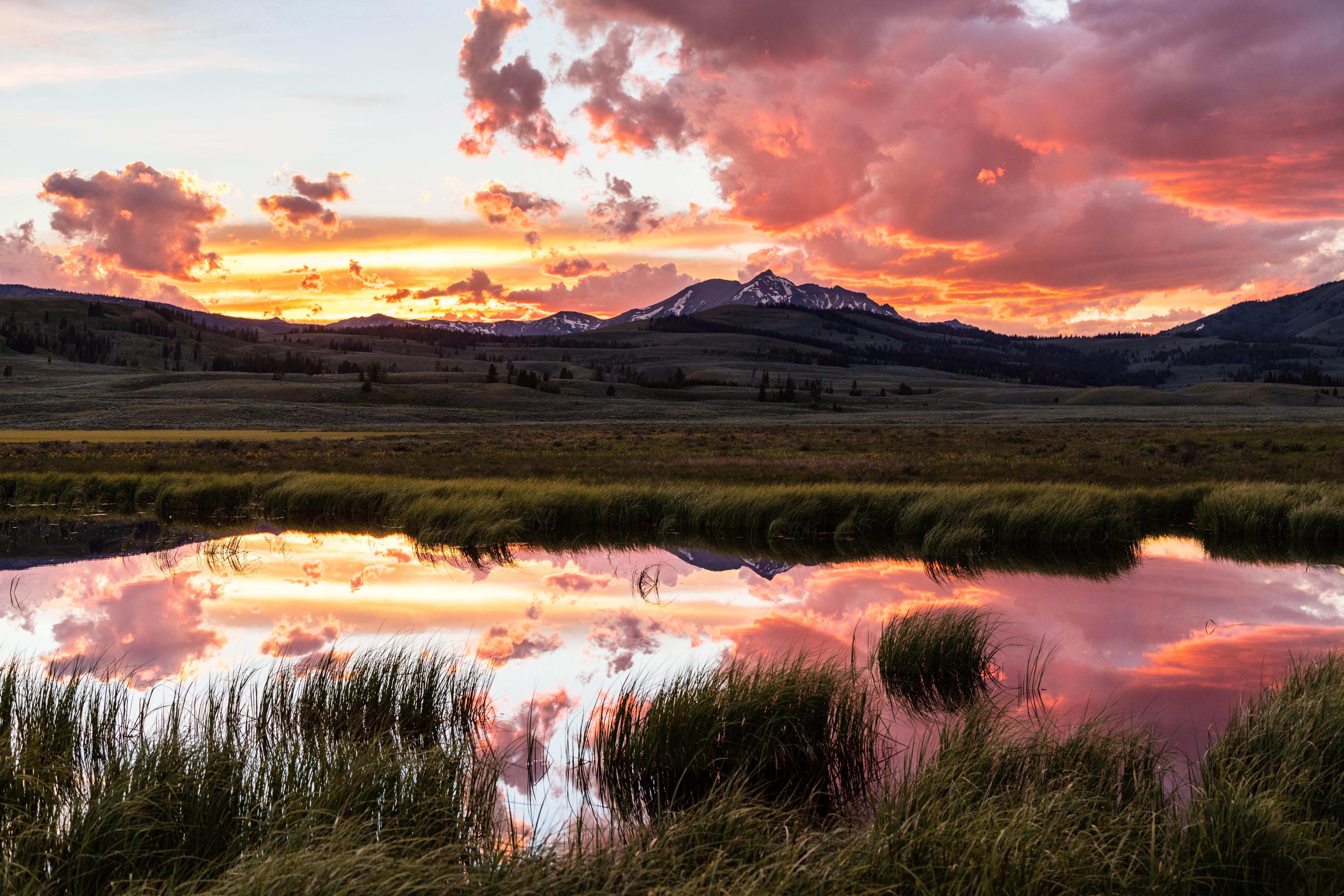
Yellowstone National Park is one of America’s most extraordinary outdoor destinations, a vast landscape of geothermal wonders, mountain scenery, forests, rivers, lakes, and some of the best wildlife viewing in the United States. Located primarily in Wyoming, with portions extending into Montana and Idaho, Yellowstone rewards travelers who come for its famous landmarks as well as those who take time to explore its quieter corners. The park is best known for its remarkable geothermal features. Old Faithful is the most famous geyser, but it is only one highlight in a landscape filled with hot springs, bubbling mud pots, fumaroles, and colorful thermal pools. Grand Prismatic Spring offers one of Yellowstone’s most recognizable views, while Mammoth Hot Springs reveals an entirely different landscape of mineral terraces. The Grand Canyon of the Yellowstone, Yellowstone Lake, and numerous waterfalls add even more variety to a trip through the park. Wildlife is another major reason to visit Yellowstone National Park. Bison frequently appear in valleys and along park roads, while elk, pronghorn, bears, coyotes, and wolves inhabit the greater Yellowstone ecosystem. Lamar Valley and Hayden Valley are especially popular for wildlife watching, and guided wildlife tours can help visitors explore these areas with experienced local knowledge. There are things to do in Yellowstone for almost every type of outdoor traveler. Hiking trails range from short walks near major attractions to longer backcountry adventures. Scenic drives connect geyser basins, overlooks, waterfalls, historic areas, and wildlife habitat. Depending on the season, visitors can also enjoy photography, fishing, horseback riding, biking, ranger programs, snowcoach excursions, and other guided experiences. Because Yellowstone is enormous, planning where to stay can have a major impact on a vacation. Lodging is available at several locations inside the park, while gateway communities such as West Yellowstone, Gardiner, and Cody provide additional hotels, cabins, restaurants, tours, and visitor services. Whether you are planning a first Yellowstone vacation, returning for wildlife and hiking, or adding the park to a longer Rocky Mountain road trip, allow enough time to experience more than its most famous sights. Yellowstone is not simply a collection of attractions—it is a destination that changes dramatically from valley to valley and season to season.
Yosemite National Park
National Park

Yosemite National Park

California United States
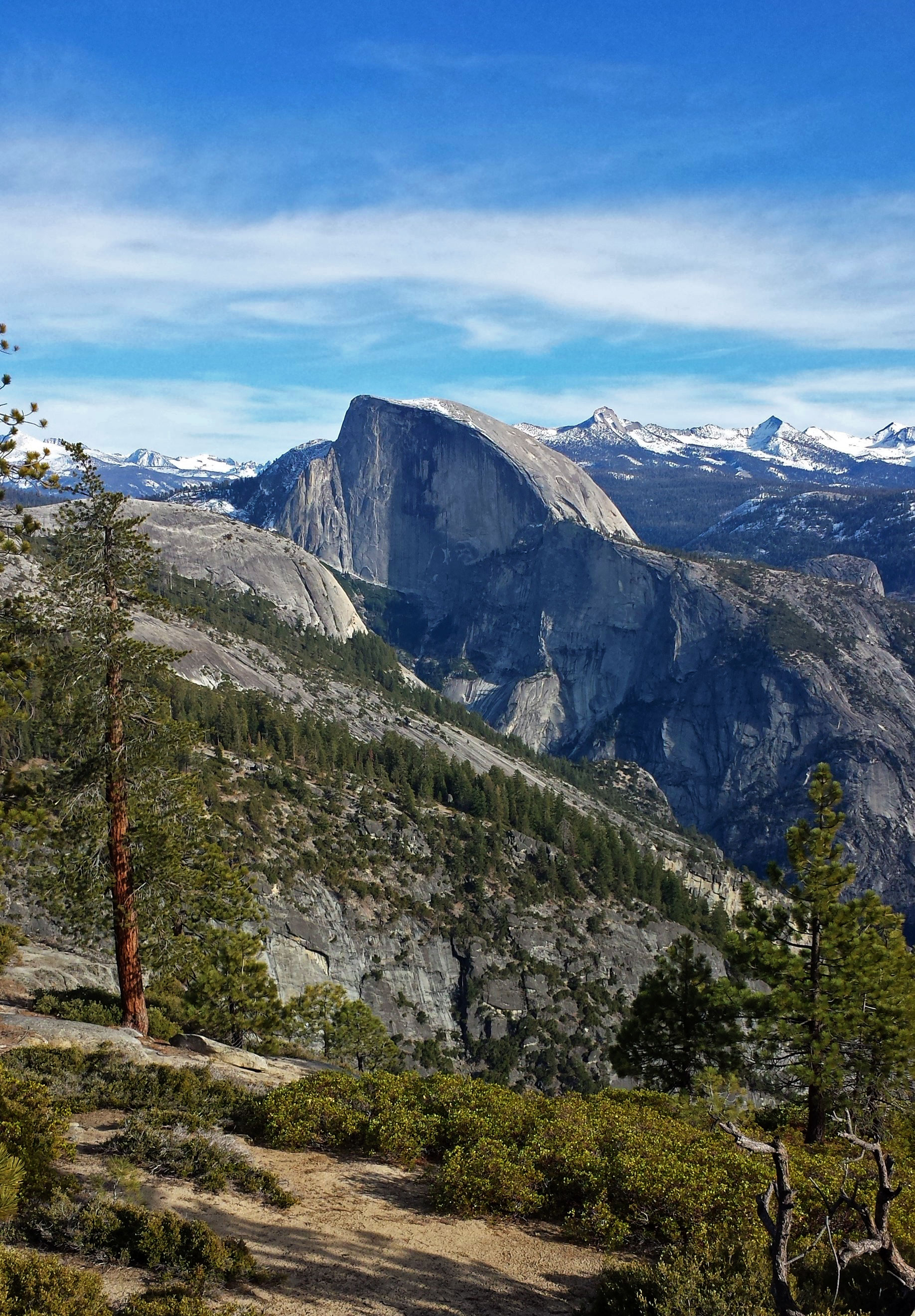
Yosemite National Park is one of California’s most celebrated outdoor destinations, famous for towering granite cliffs, spectacular waterfalls, giant sequoias, mountain meadows, and the rugged landscapes of the Sierra Nevada. Although Yosemite Valley contains many of the park’s best-known sights, nearly 1,200 square miles of protected mountains and wilderness make Yosemite a destination worth exploring well beyond the valley floor. For many first-time visitors, Yosemite Valley is the natural starting point. Here, massive granite landmarks such as El Capitan and Half Dome rise dramatically above forests and meadows. Yosemite Falls, Bridalveil Fall, and other seasonal waterfalls add to the scenery, particularly when snowmelt increases water flow during spring and early summer. Tunnel View provides one of the classic Yosemite panoramas, while Glacier Point offers a remarkable perspective across Yosemite Valley and the surrounding High Sierra. Hiking is one of the most popular things to do in Yosemite National Park. Options range from easy walks through Yosemite Valley to demanding mountain trails and backcountry adventures. Visitors can also explore giant sequoias in Mariposa Grove, drive through high-country scenery when Tioga Road is open, visit Tuolumne Meadows, watch climbers on El Capitan, enjoy photography, bike in designated areas, join ranger programs, or book guided outdoor experiences. Where you stay can significantly influence your Yosemite vacation. Lodging and camping are available inside the park, placing travelers close to major attractions and trailheads. Hotels, cabins, vacation rentals, and other accommodations can also be found in gateway communities surrounding Yosemite. During busy travel periods, both lodging and campsites can fill well in advance. Yosemite can work as a short addition to a California road trip, but travelers who stay several days have more opportunities to experience the park beyond its famous viewpoints. Whether your priorities are waterfalls, hiking, photography, climbing, wildlife, giant sequoias, or simply experiencing Yosemite Valley beneath its enormous granite walls, careful planning will help you make the most of one of America’s most distinctive national parks.
Zion National Park
National Park

Zion National Park

Utah United States
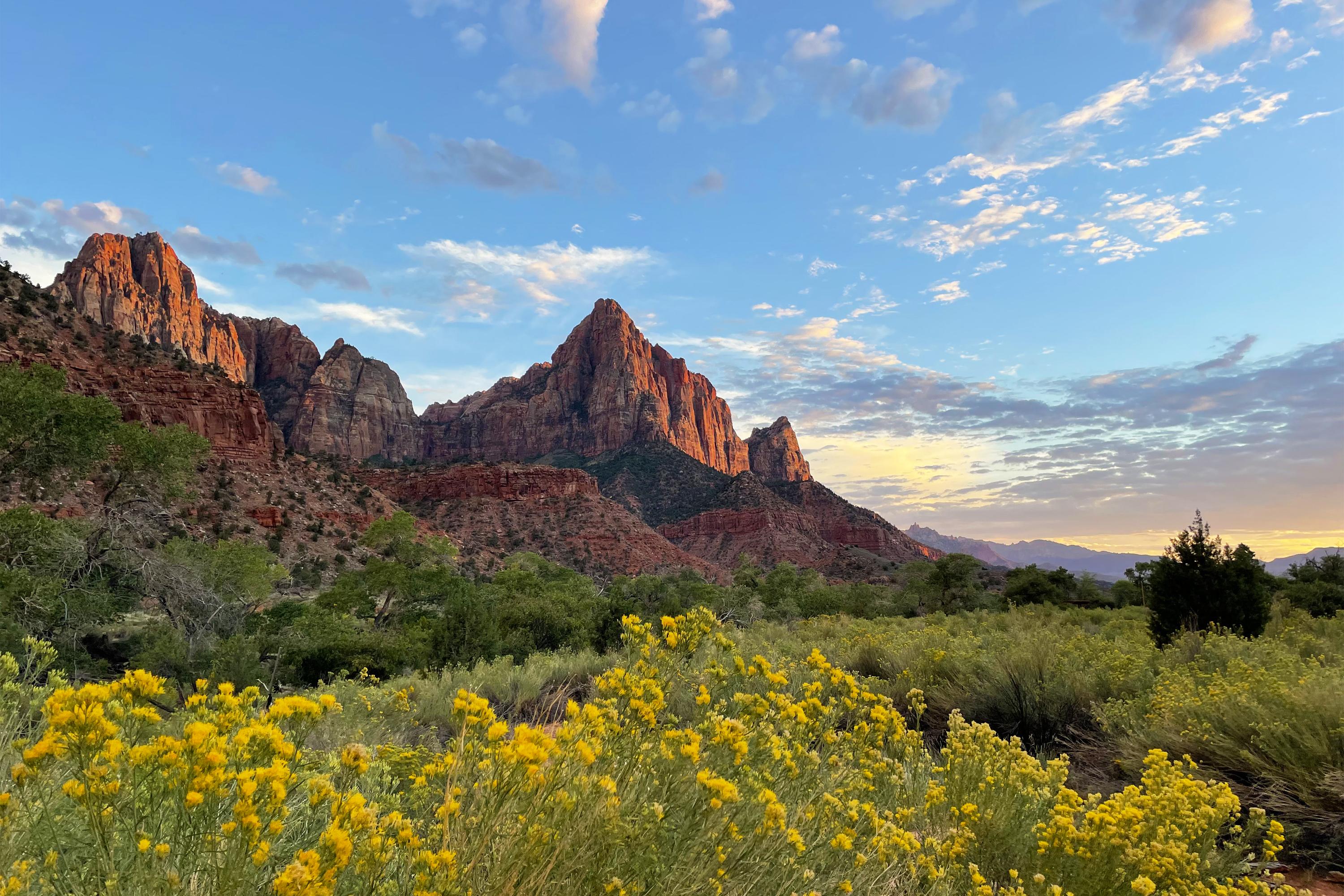
Zion National Park is one of Utah’s most spectacular outdoor destinations, where towering sandstone cliffs rise above narrow canyons, desert landscapes, forests, and the winding Virgin River. Located in southwestern Utah, Zion combines dramatic scenery with some of the most recognizable hiking experiences in the American Southwest. Zion Canyon is the heart of most first-time visits. Surrounded by enormous cream, pink, and red sandstone walls, the canyon provides access to scenic viewpoints, riverside walks, historic sites, and many of the park’s most popular trails. Angels Landing offers one of Zion’s legendary hiking experiences, while The Narrows takes hikers into the Virgin River between towering canyon walls. Numerous easier trails and overlooks make it possible to experience Zion without attempting its most demanding adventures. Hiking is only one of the many things to do in Zion National Park. Depending on your interests and the season, you can enjoy photography, biking, birdwatching, stargazing, backpacking, canyoneering, ranger programs, scenic drives, and guided outdoor experiences. Kolob Canyons and other areas beyond the main canyon offer opportunities to discover a quieter side of the park. Where you stay can make a significant difference when planning a Zion vacation. Zion Lodge provides the only lodging inside the park, while nearby Springdale offers a wide selection of hotels, restaurants, shops, and visitor services within easy reach of Zion Canyon. Additional accommodations and vacation options can be found throughout southwestern Utah. Transportation is another important part of planning a visit. During much of the year, the Zion Canyon Scenic Drive is accessed using the park shuttle rather than private vehicles, helping visitors reach popular trailheads and destinations throughout the canyon. Whether Zion is the focus of your vacation or part of a larger Utah national parks road trip, allow time to explore beyond a single famous hike. From rivers and narrow slot canyons to high plateaus and sweeping desert views, Zion National Park offers a remarkable variety of landscapes within a relatively compact destination.

Discover America's National Parks and Protected Places

America's national parks and protected places preserve some of the most extraordinary landscapes, wildlife habitats and historic landmarks in the world. From the geothermal wonders of Yellowstone and the immense granite walls of Yosemite to the desert scenery of Arches, the coastal wilderness of Acadia and the deep canyons of the Southwest, every destination offers a different way to experience the natural and cultural heritage of the United States. National Parks Explorer brings these remarkable places together in one easy-to-browse collection. Whether you are planning a family vacation, a national park road trip, a weekend hike or a once-in-a-lifetime outdoor adventure, you can use this directory to discover destinations that fit your interests. Explore famous national parks, national monuments, historic sites, recreation areas, scenic parkways and other protected landscapes while learning what makes each place unique. Our goal is to make the first stage of trip planning easier by helping you compare destinations, find new ideas and move quickly from inspiration to practical visitor information.

Use the filters above to search for places by name, place type, country or state and subdivision. This makes it easy to find national parks in a particular part of the country, explore destinations near an upcoming road trip or discover protected places that you may not have considered before. Visitors often begin with celebrated destinations such as the Grand Canyon, Great Smoky Mountains, Rocky Mountain, Zion or Olympic National Park, but the National Park System also includes battlefields, seashores, memorials, historic parks, preserves and many smaller sites with important stories to tell. Exploring by place type can reveal a wider range of experiences, from mountain trails and desert arches to historic buildings, scenic drives, islands, caves and waterways. The collection will continue to grow as additional destinations and visitor information are added. By keeping the search tools simple and placing the most important information in a consistent format, National Parks Explorer helps travelers spend less time searching across disconnected pages and more time deciding where their next adventure should begin.

Each destination page is designed to support practical trip planning. Depending on the information available, you may find park descriptions, maps, directions, weather guidance, current alerts, operating information, fees, reservation requirements and suggestions for things to do. This can help you understand whether a destination is suitable for a short visit, a full day, a multi-day stay or part of a longer national park itinerary. Conditions and access requirements can differ greatly between parks and seasons. Mountain roads may close during winter, desert temperatures can become dangerous in summer and popular trails or scenic areas may require timed entry, permits, lotteries or advance reservations. Reviewing these details before traveling can help you prepare more confidently and avoid preventable surprises. National Parks Explorer organizes planning information into clear sections so visitors can quickly identify what deserves extra attention. You should still confirm essential details with the official managing agency before departure, especially when your plans depend on road access, permits, opening hours, weather conditions or availability.

National park travel can take many forms. Some visitors are looking for challenging hikes, wildlife watching and remote backcountry experiences, while others prefer scenic overlooks, accessible trails, historic landmarks, photography locations or relaxed family activities. A successful trip does not require visiting only the most famous parks. Smaller monuments, historic sites and recreation areas can provide memorable experiences with fewer crowds and may fit naturally into a regional itinerary. Consider combining well-known destinations with nearby protected places, allowing enough time for travel, changing weather and unexpected discoveries along the way. Always respect posted regulations, wildlife safety guidance, trail closures and Leave No Trace principles so these places remain protected for future visitors. National Parks Explorer is built for travelers who enjoy discovering America's public lands and want a clear starting point for their research. Browse the destinations above, refine the results with the available filters and open any Place Card to continue exploring. Your next memorable park experience may be a world-famous landscape, a quiet historic location or a hidden destination that you discover here for the first time.

Planning a national park journey often begins with choosing the right region and understanding how several destinations can fit together. The western United States is known for dramatic mountain ranges, desert scenery and large wilderness areas, while the eastern states offer forested parks, historic landscapes, coastlines and scenic drives. Alaska and Hawaii provide entirely different experiences, from glaciers and remote wildlife habitats to volcanic landscapes and tropical ecosystems. Travelers can use National Parks Explorer to compare these regions and identify places that match their available time, preferred season and style of travel. A carefully planned itinerary may combine a major national park with nearby monuments, historic sites or recreation areas that are sometimes overlooked. These additional stops can add variety to a journey and provide a deeper understanding of the landscapes and communities surrounding the best-known destinations.

Seasonal timing can have a major influence on the national park experience. Spring may bring waterfalls, wildflowers and cooler hiking conditions, while summer offers longer daylight hours but can also bring crowds, heat and limited availability. Autumn is popular for changing colors, wildlife activity and comfortable temperatures in many regions. Winter transforms some parks into quiet snow-covered landscapes, although roads, facilities and trails may be closed or difficult to reach. The ideal season depends on the destination, elevation, climate and activities you hope to enjoy. Before finalizing a trip, review current conditions, transportation options, reservation rules and operating schedules. Flexible planning is especially valuable when weather, wildfire activity, flooding or temporary closures affect access. Having alternative places and activities in mind can help keep an itinerary enjoyable even when plans need to change.

Responsible travel helps protect national parks and historic places for future generations. Visitors should remain on designated trails where required, store food safely, observe wildlife from an appropriate distance and follow all local regulations. Carrying sufficient water, preparing for changing weather and understanding personal limits are essential parts of outdoor safety. In busy destinations, arriving early or using park transportation can reduce congestion and improve the experience. In quieter locations, visitors may need to be more self-sufficient because services and mobile coverage can be limited. National Parks Explorer provides a convenient starting point for researching destinations, but final decisions should always be based on current information from the official managing agency. Explore the collection, compare different types of protected places and continue building an itinerary that reflects your interests, available time and sense of adventure.
Information & Disclaimer

National Parks Explorer strives to present accurate and up-to-date information collected from official and trusted sources, including the National Park Service. While we make every effort to keep this information current, information may be incomplete, inaccurate, outdated or subject to change without prior notice, including access requirements, permits, reservations, operating hours, alerts, fees, road and trail conditions, weather and other visitor information.

Read more Read less

Always verify the latest information with the relevant official source before making travel plans, reservations, purchases or visiting a park.

National Parks Explorer is an independent information platform provided through national-parks-usa.com and is not affiliated with or endorsed by the National Park Service or other data providers. All information is provided for general informational and planning purposes only and is used entirely at your own risk. To the fullest extent permitted by applicable law, National Parks Explorer and national-parks-usa.com cannot be held responsible or liable for any loss, damage, injury, inconvenience, missed reservation, travel disruption, financial loss, additional expense or other costs resulting from the use of, or reliance upon, information provided through this website.

Back
Top