• Registration is easy and free!

  • Welcome to the National Parks USA forum! Registered members can download resources for free and use the forum without advertising banners. Click here for free registration. After registration, check your mailbox and confirm your email address.

Places

Explore America's National Parks, Monuments & Historic Places

From the iconic landscapes of Yellowstone, Yosemite and the Grand Canyon to historic landmarks, national monuments and scenic protected areas, National Parks Explorer helps you discover the best of America's public lands. Browse our growing collection of destinations, compare park types, explore official visitor information and use the filters below to quickly find places by name, state, country or category. Whether you're planning your next road trip or simply exploring from home, your adventure starts here.

Filter places

Clear filters

Places

63 places found
Congaree National Park
National Park

Congaree National Park

South Carolina United States
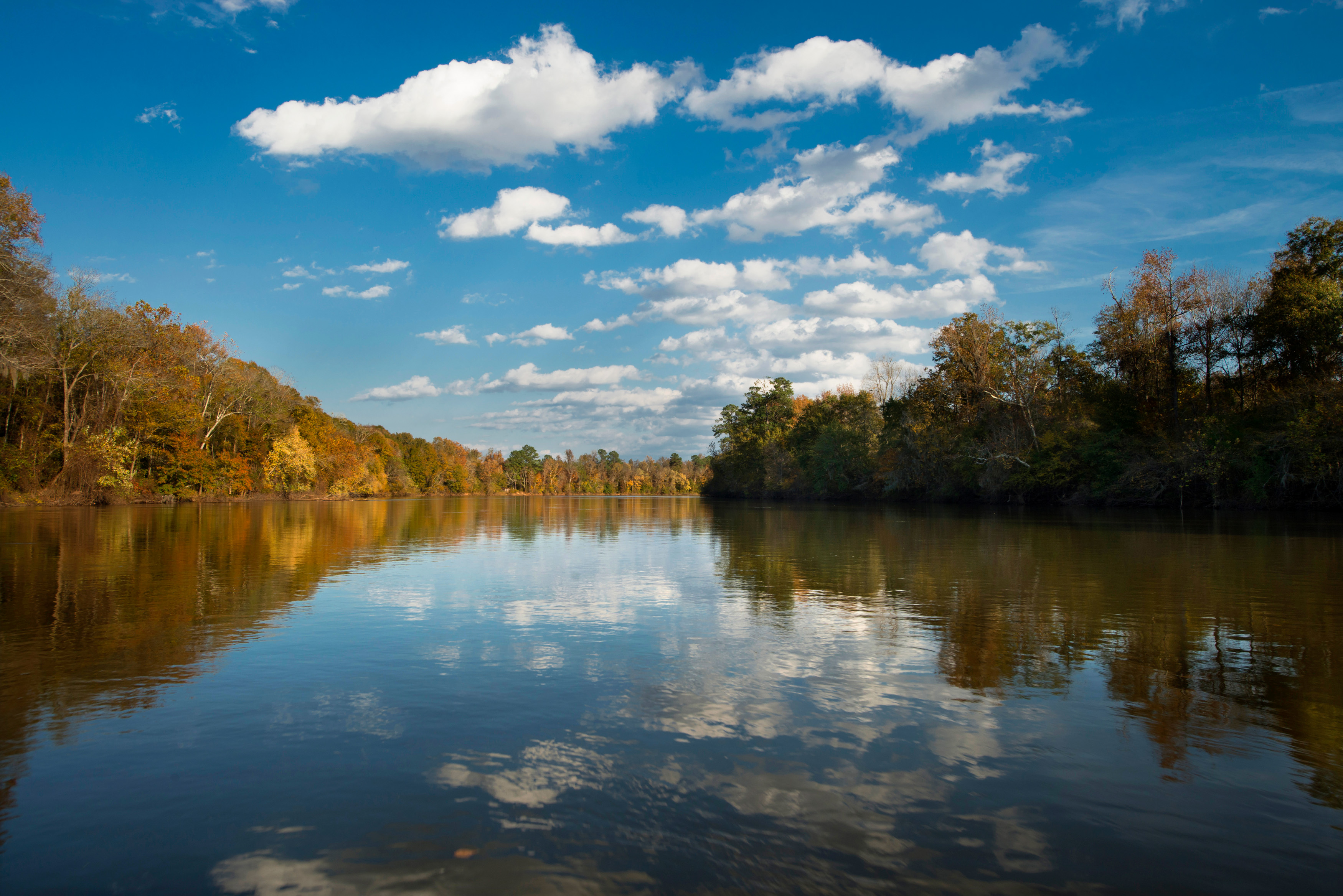
Congaree National Park protects an extraordinary old-growth forest of towering hardwoods, wetlands, creeks, and floodplain landscapes near Columbia, South Carolina. Fed by the Congaree and Wateree Rivers, this remarkably intact bottomland forest contains some of the tallest trees in the eastern United States and offers a peaceful national park experience built around hiking, paddling, wildlife, and changing water levels. The Boardwalk Loop Trail is the natural starting point for many first-time visitors. The elevated walkway leads through the floodplain forest, providing close views of enormous trees, wetlands, dwarf palmettos, and the complex ecosystem beneath the canopy. Interpretive stops along the route help explain how flooding shapes the landscape. Hiking trails continue beyond the boardwalk into quieter sections of Congaree National Park. Depending on recent rainfall and river levels, trails may range from dry forest paths to muddy or flooded routes, making every visit slightly different. Cedar Creek provides one of the most memorable ways to experience the park. Canoes and kayaks can follow the marked Cedar Creek Canoe Trail beneath a canopy of old-growth trees. Paddling offers opportunities to observe turtles, birds, river otters, and other wildlife while exploring areas that feel far removed from nearby Columbia. Birdwatching, fishing, photography, camping, ranger programs, and stargazing provide additional things to do. Congaree is also famous for synchronous fireflies, whose remarkable seasonal displays attract visitors when conditions are right. There are no hotels, restaurants, or traditional lodging facilities inside Congaree National Park. Camping is available, while Columbia and surrounding South Carolina communities provide extensive hotels, restaurants, outfitters, and other visitor services. Whether you walk the Boardwalk Loop, paddle Cedar Creek, explore backcountry trails, or visit to experience the forest after a seasonal flood, Congaree National Park reveals a side of the American Southeast that has disappeared from much of the surrounding region.
Crater Lake National Park
National Park

Crater Lake National Park

Oregon United States
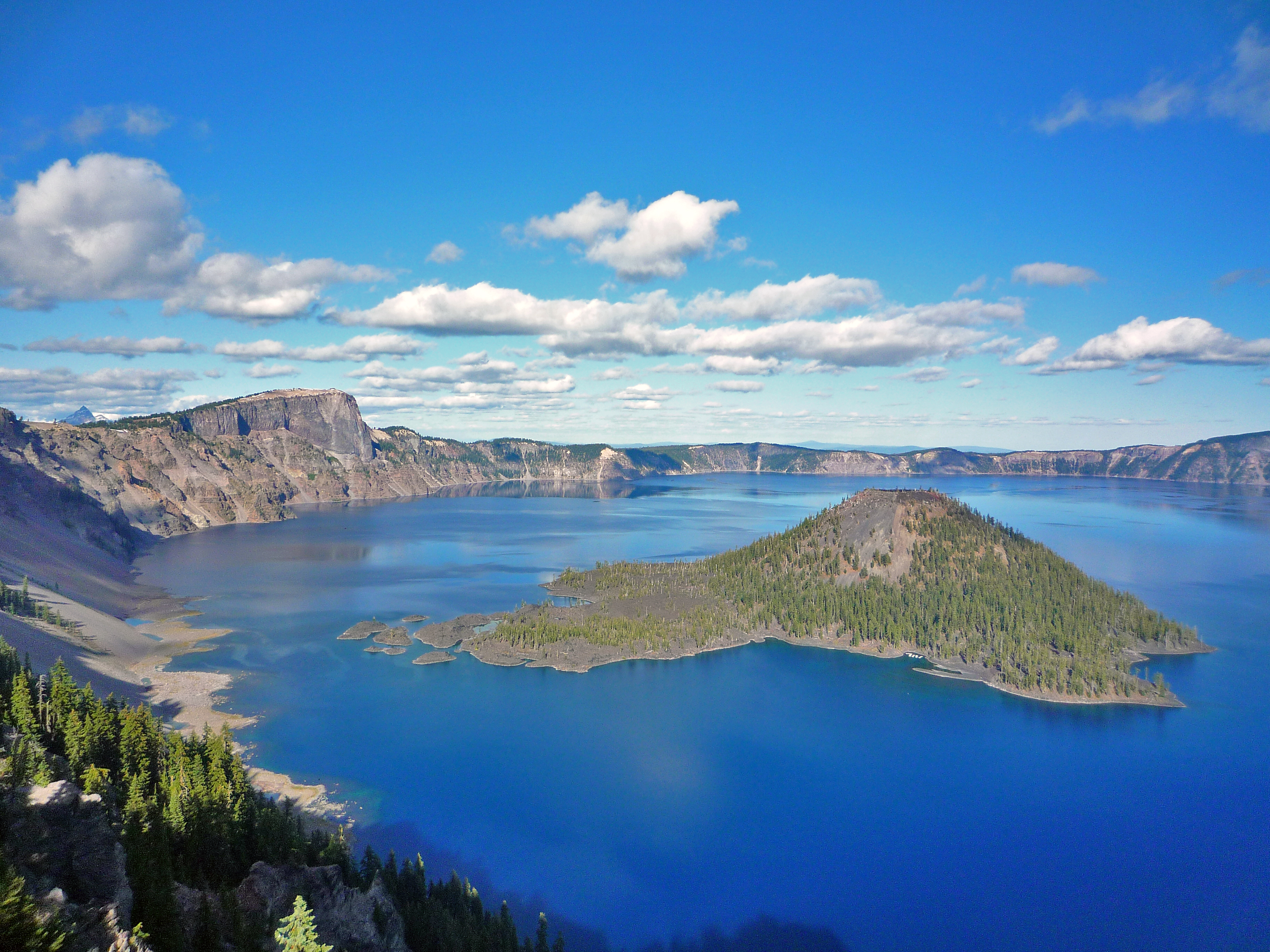
Crater Lake National Park protects one of America’s most spectacular natural landmarks, a deep blue lake surrounded by steep cliffs and forested mountains in southern Oregon’s Cascade Range. Formed after the collapse of an ancient volcano, Crater Lake is the deepest lake in the United States and is famous for its extraordinary clarity, intense blue color, and dramatic volcanic setting. Rim Drive is one of the best ways to experience Crater Lake National Park when the full road is open. The 33-mile scenic route circles the lake and connects dozens of overlooks, trailheads, picnic areas, and viewpoints. Each stop reveals a different perspective across the caldera, with Wizard Island rising prominently from the western side of the lake. Hiking provides opportunities to explore beyond the roadside viewpoints. Approximately 90 miles of trails lead through forests, wildflower areas, volcanic landscapes, and mountain terrain. Routes to elevated viewpoints provide sweeping panoramas across Crater Lake and the surrounding Cascades, while other trails explore quieter parts of the park. Cleetwood Cove Trail provides the only legal access to the shore of Crater Lake. The steep trail descends hundreds of feet from the rim and is also associated with seasonal boat experiences on the lake. Because the return climb is strenuous, visitors should consider their fitness and weather conditions before starting. Photography, stargazing, camping, fishing, ranger programs, scenic driving, winter recreation, trolley tours, and seasonal boat tours provide additional things to do throughout the year. Crater Lake Lodge offers historic accommodations at Rim Village, while cabins and camping are available seasonally at Mazama Village. Additional lodging, restaurants, and visitor services can be found in communities surrounding the park. Whether you drive Rim Drive, hike to a panoramic viewpoint, experience the lake from the water, or visit when snow transforms the landscape, Crater Lake National Park offers one of the most distinctive mountain and volcanic experiences in the Pacific Northwest.
Cuyahoga Valley National Park
National Park

Cuyahoga Valley National Park

Ohio United States
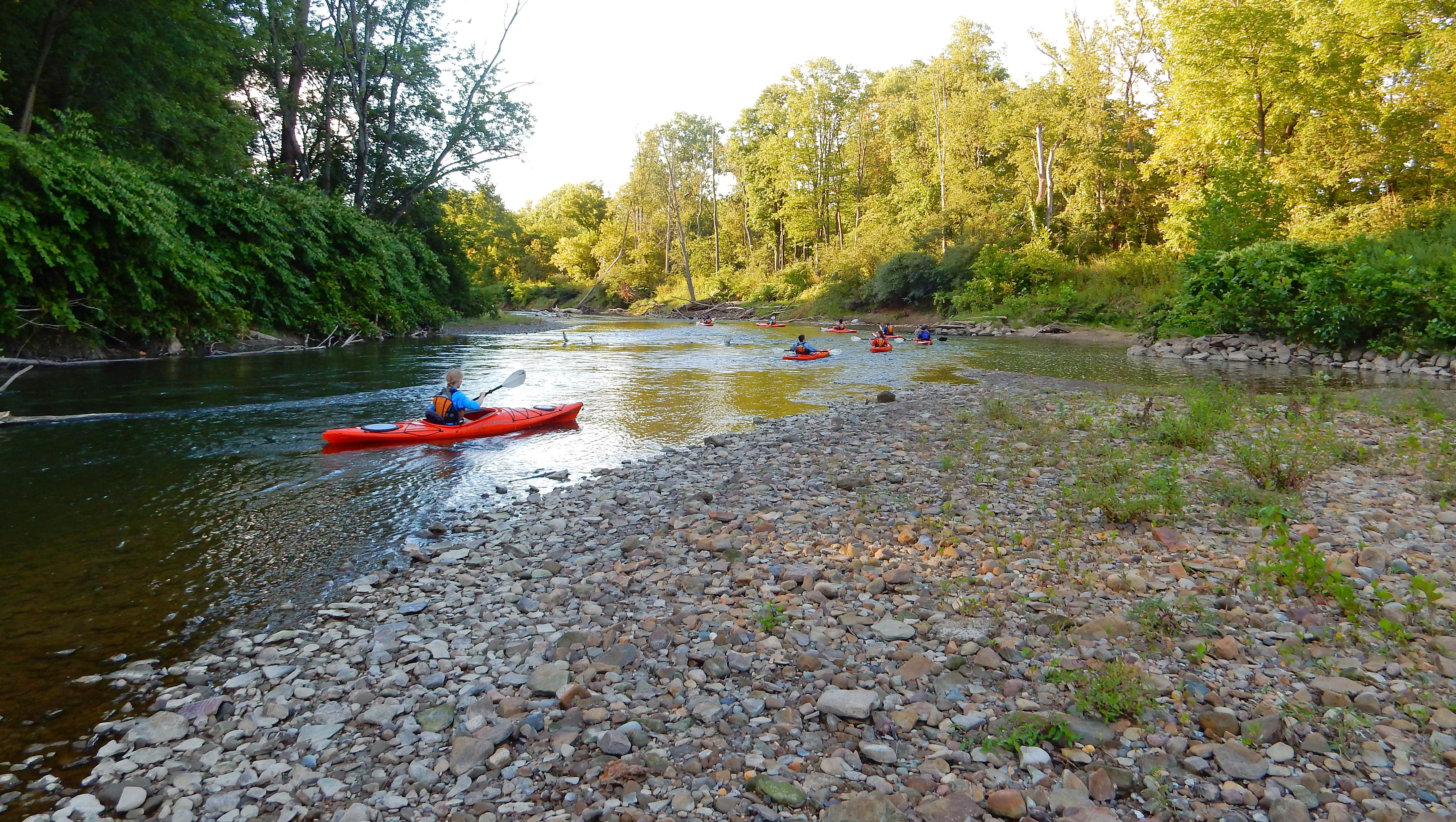
Cuyahoga Valley National Park offers a surprising escape into forests, waterfalls, wetlands, rolling hills, and historic landscapes between Cleveland and Akron, Ohio. Centered around the winding Cuyahoga River, the park combines outdoor recreation with the history of the Ohio & Erie Canal, making it an easy destination for day trips, weekend getaways, and longer explorations of northeastern Ohio. Brandywine Falls is one of the best-known attractions in Cuyahoga Valley National Park. The 60-foot waterfall drops through a rocky gorge and can be viewed from a network of boardwalks and overlooks. Other popular natural destinations include the Ledges, where trails pass through striking sandstone formations and forests, and Beaver Marsh, an important wetland habitat with excellent opportunities for wildlife watching. Hiking is one of the most popular things to do in Cuyahoga Valley, with trails ranging from short nature walks to longer routes through forests, ravines, and former farmland. The historic Towpath Trail follows the route of the Ohio & Erie Canal and is popular with walkers, runners, and cyclists. Along the way, visitors can discover remnants of the canal era while exploring the Cuyahoga River valley. The Cuyahoga Valley Scenic Railroad provides another distinctive way to experience the region when operating, combining rail travel with views of the surrounding landscape. Photography, birdwatching, cycling, fishing, paddling, ranger programs, and seasonal activities provide additional reasons to explore. Unlike many remote national parks, Cuyahoga Valley is surrounded by communities and major metropolitan areas. Cleveland and Akron provide extensive choices for hotels, restaurants, attractions, and other visitor services, while smaller communities around the park offer convenient access to trails and destinations. Whether you are looking for waterfalls and hiking, cycling the Towpath Trail, exploring Ohio history, or adding nature to a Cleveland vacation, Cuyahoga Valley National Park demonstrates that a memorable national park experience does not require traveling deep into the wilderness.
Death Valley National Park
National Park

Death Valley National Park

California United States
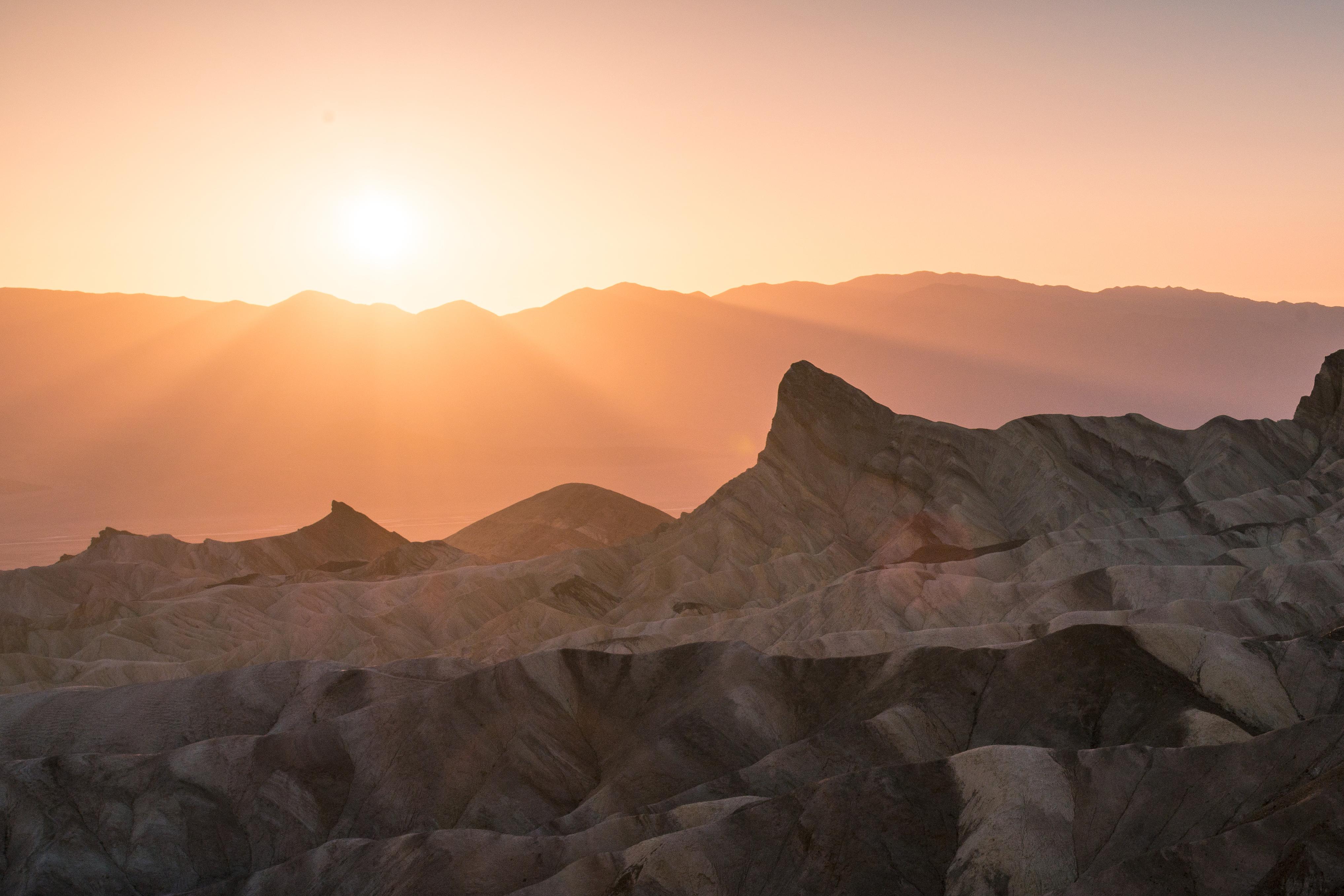
Death Valley National Park is one of America’s most extreme and visually striking desert destinations, stretching across a vast landscape of salt flats, sand dunes, colorful badlands, rugged mountains, canyons, and wide-open valleys in California and Nevada. Famous for extraordinary heat and some of the lowest elevations in North America, the park rewards visitors who look beyond its reputation and explore the remarkable variety of terrain. Badwater Basin is one of Death Valley’s most iconic destinations. Located below sea level, its salt flats create a stark white landscape framed by towering mountains. Nearby, Artist’s Drive winds through colorful mineral deposits, while Zabriskie Point provides sweeping views across golden badlands. Dante’s View offers another unforgettable perspective from high above the valley floor. There are many things to do in Death Valley National Park beyond scenic viewpoints. Hiking trails lead through canyons, desert washes, dunes, and mountain terrain. Mesquite Flat Sand Dunes are especially popular for walking and photography, while Golden Canyon provides access to dramatic formations near Furnace Creek. Backcountry driving opens even more remote areas for properly prepared travelers. Death Valley is also an exceptional destination for stargazing. Its remote location, dry climate, and dark skies create excellent conditions for night photography and viewing the stars. Sunrise and sunset transform the desert with constantly changing light and color. Because the park is so large, choosing where to stay can save substantial driving time. Furnace Creek, Stovepipe Wells, and Panamint Springs provide lodging, food, fuel, and other services in or near the park. Additional hotels and guided tours are available in surrounding communities and from destinations such as Las Vegas. Whether you are planning a winter desert escape, a photography trip, a scenic road trip from Las Vegas, or several days exploring canyons and remote landscapes, Death Valley National Park offers far more than heat. Its scale, silence, geology, and dramatic contrasts make it one of the most distinctive national parks in the United States.
Denali National Park & Preserve
National Park

Denali National Park & Preserve

Alaska United States
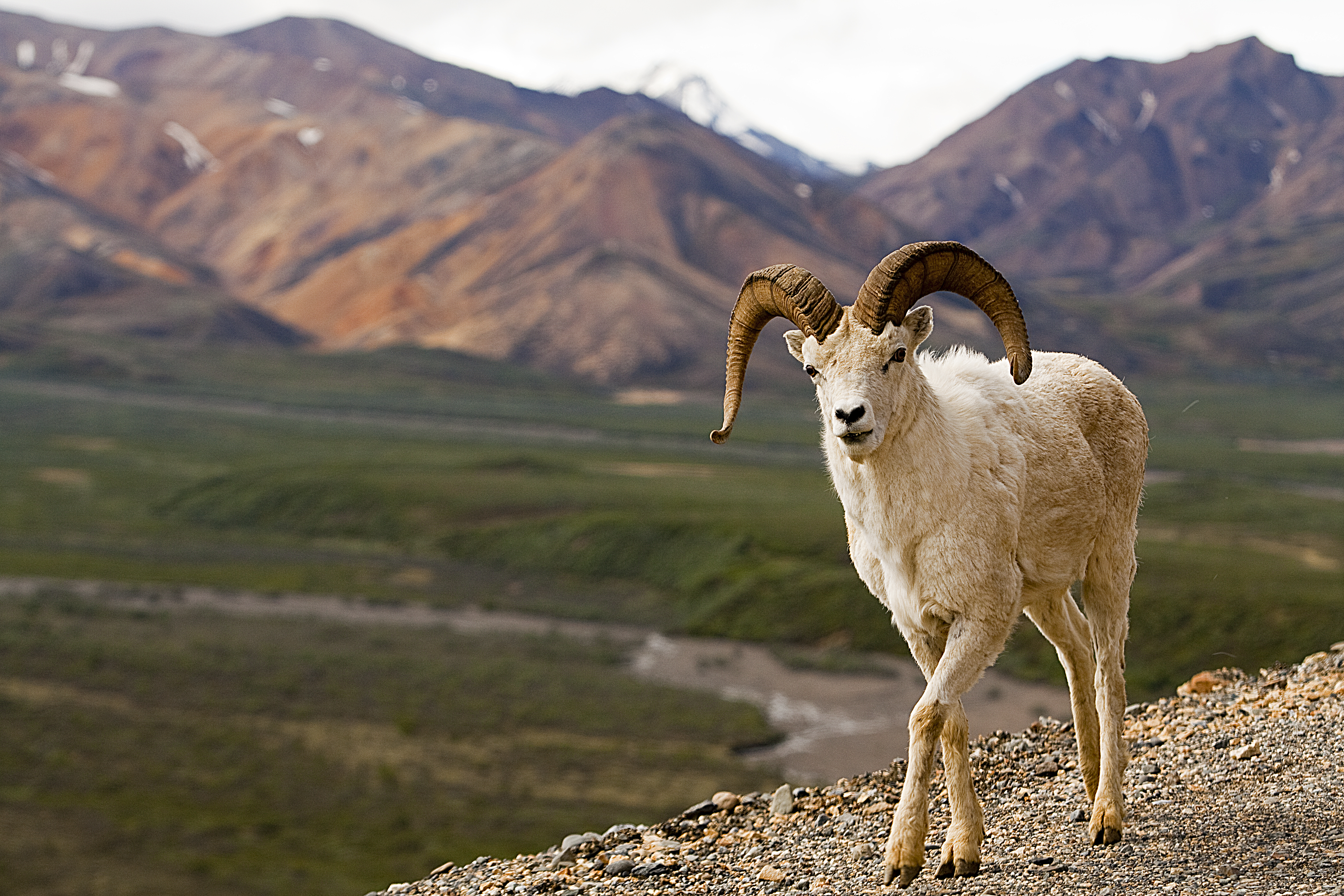
Denali National Park and Preserve protects more than six million acres of Alaska wilderness surrounding Denali, the highest mountain in North America. Rising 20,310 feet above sea level, the mountain dominates a landscape of tundra, taiga forest, glaciers, broad river valleys, and the rugged peaks of the Alaska Range. Wildlife watching is one of the biggest reasons to visit Denali National Park. Grizzly bears, moose, caribou, Dall sheep, wolves, and many other animals inhabit the park’s vast undeveloped landscape. Traveling along Denali Park Road provides opportunities to watch for wildlife while experiencing increasingly remote mountain and tundra scenery. Bus trips are one of the primary ways to explore beyond the park entrance area. Narrated tours and transit-style buses allow visitors to travel farther into Denali without driving their own vehicle through restricted sections of the park road. The journey itself is an important part of the experience, with changing views, wildlife habitat, and opportunities to learn about the park. Hiking in Denali is different from many national parks. Developed trails are concentrated near the entrance, but much of the wilderness can be explored without established trails by visitors prepared for backcountry travel. Shorter hikes around the entrance and Savage River provide more accessible options. Flightseeing offers another unforgettable perspective. Small aircraft can reveal the enormous scale of the Alaska Range, glaciers, and Denali itself, with some tours offering glacier-landing experiences when conditions permit. Visitors can also enjoy camping, backpacking, photography, ranger programs, cycling, wildlife tours, and demonstrations involving Denali’s famous sled dogs. Lodging is available in communities and commercial areas near the park entrance, with additional wilderness accommodations in the wider region. Whether you come to see Denali, search for Alaska wildlife, travel the park road, hike across tundra, or fly above glaciers, Denali National Park and Preserve offers a wilderness experience defined by enormous scale and the unpredictability of Alaska.
Dry Tortugas National Park
National Park

Dry Tortugas National Park

Florida United States
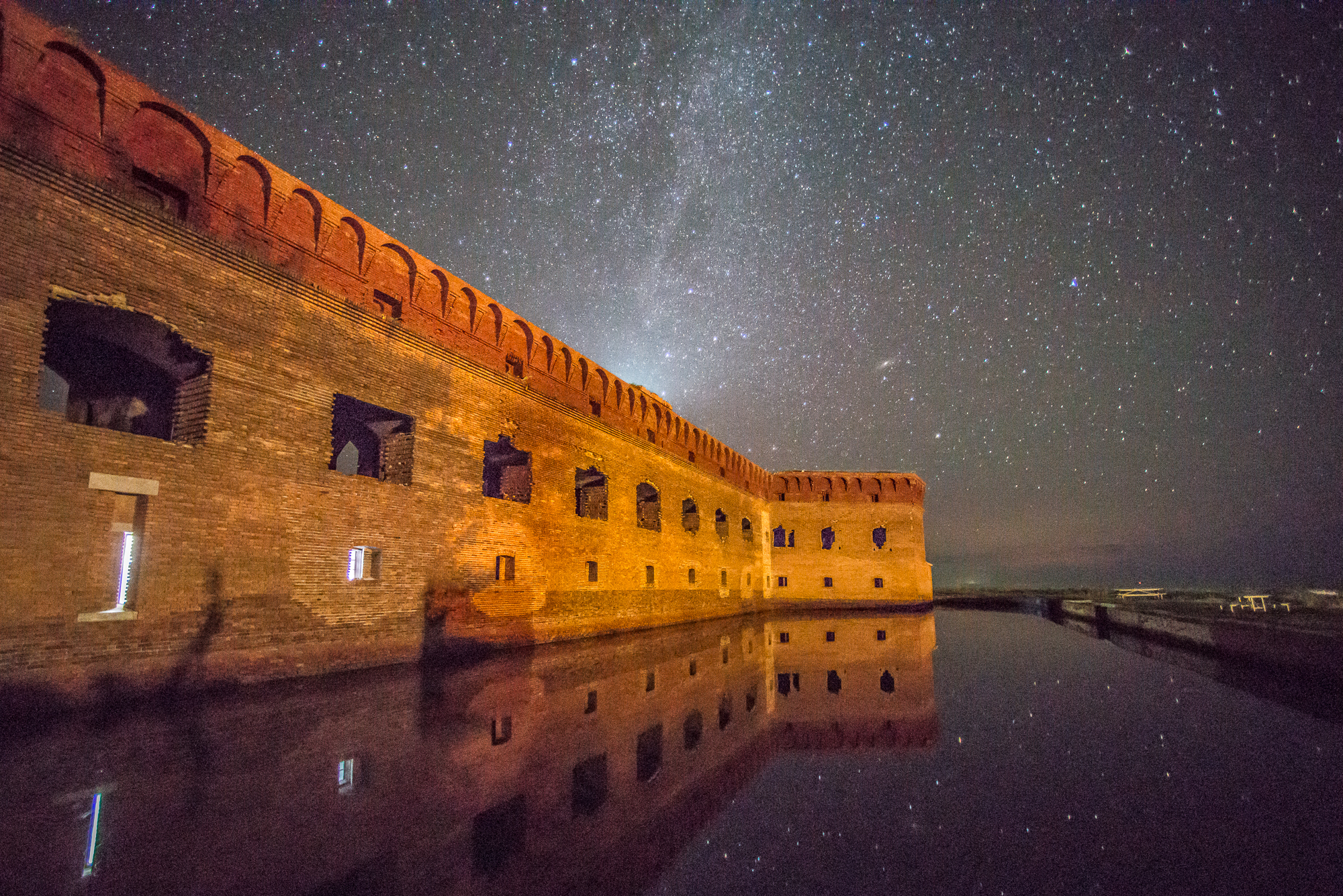
Dry Tortugas National Park protects a remote collection of islands, coral reefs, clear blue waters, marine habitat, and one of America’s most remarkable coastal fortifications approximately 70 miles west of Key West, Florida. Accessible only by boat or seaplane, the journey across the Gulf of Mexico is part of an experience that feels far removed from the busy Florida Keys. Garden Key is the destination for most visitors and home to Fort Jefferson, the enormous 19th-century brick fortress that dominates the island. Walking through its walls, corridors, and open grounds reveals stories of military history, maritime navigation, and life on an isolated tropical outpost. Views from the fort extend across turquoise water toward surrounding islands and reefs. Snorkeling is one of the best things to do in Dry Tortugas National Park. Clear, shallow water around Garden Key provides opportunities to see coral, tropical fish, and other marine life, while experienced divers and boaters can explore additional reefs and shipwrecks throughout the park. Visitors can also enjoy swimming, birdwatching, photography, kayaking, fishing in designated areas, beach walks, and ranger programs. The islands are especially important for migratory birds, making spring a rewarding season for birdwatching. Most travelers experience Dry Tortugas as a day trip from Key West using the authorized ferry or seaplane service. Private boats and charters provide additional flexibility for reaching more remote areas. For travelers who want a completely different experience, primitive camping on Garden Key allows an overnight stay after most day visitors have departed. There are no hotels, restaurants, stores, or traditional visitor services inside Dry Tortugas National Park. Key West provides the primary base for accommodations, restaurants, transportation, tours, and supplies. Whether you travel by ferry or seaplane, explore Fort Jefferson, snorkel in clear tropical water, or camp beneath the stars, Dry Tortugas National Park offers one of the most remote and memorable national park experiences in Florida.
Everglades National Park
National Park

Everglades National Park

Florida United States
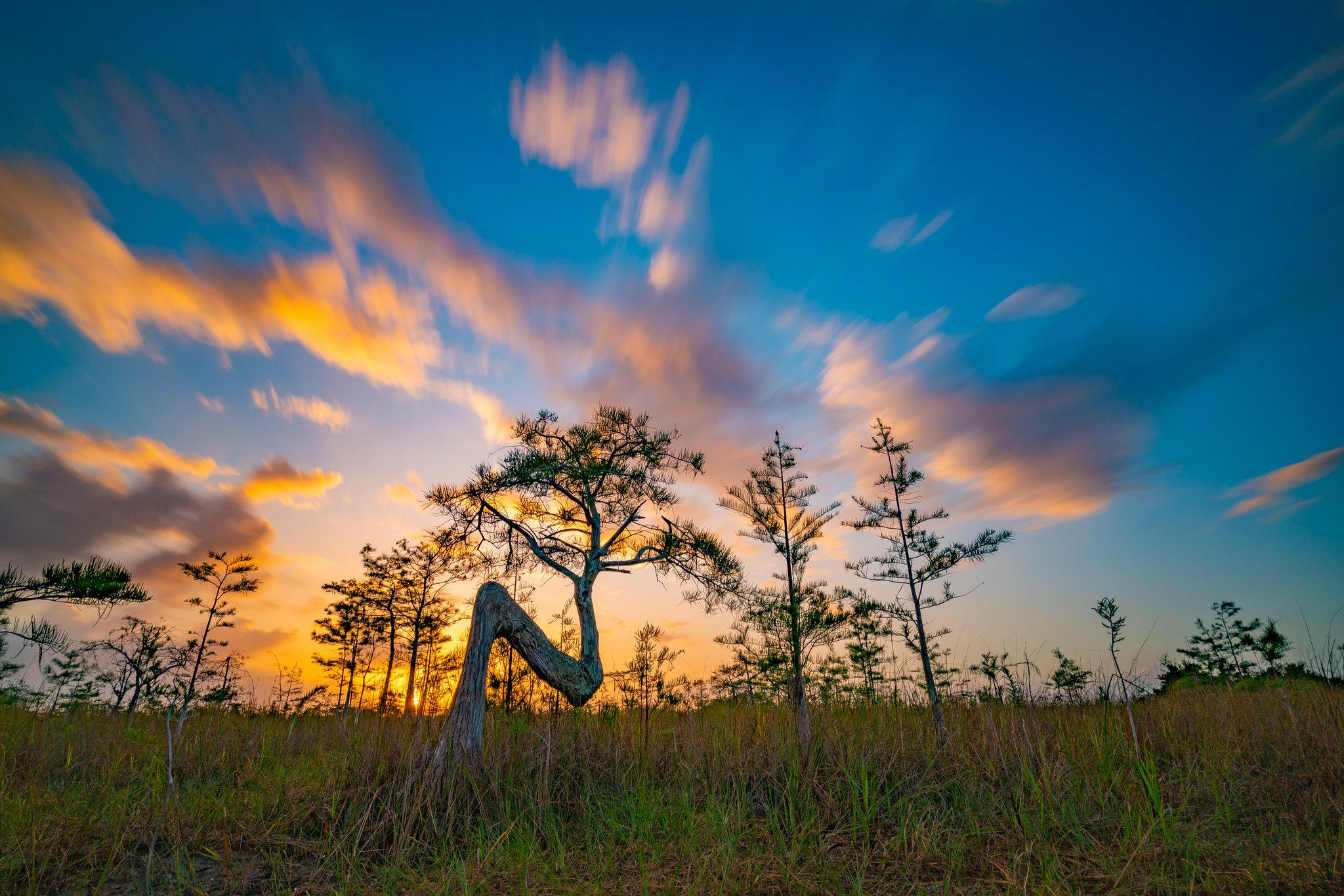
Everglades National Park protects one of America’s most extraordinary subtropical wilderness areas, stretching across 1.5 million acres of wetlands, sawgrass prairies, mangrove forests, tropical hardwood hammocks, coastal waters, and Florida Bay. Located in South Florida within reach of Miami and the Florida Keys, the Everglades offer a completely different national park experience built around water, wildlife, and vast open landscapes. Wildlife watching is one of the biggest reasons to visit Everglades National Park. Alligators are among its most recognizable residents, but the park also provides habitat for crocodiles, manatees, turtles, wading birds, and an enormous variety of other animals. Areas such as Royal Palm and the Anhinga Trail offer accessible opportunities to explore wetland habitat, while Shark Valley combines wildlife viewing with a 15-mile loop into the famous River of Grass. Paddling is another outstanding way to experience the Everglades. Canoe and kayak routes pass through freshwater marshes, mangrove forests, the Ten Thousand Islands, and the waters of Florida Bay. Visitors can bring their own equipment, rent boats at selected locations, or explore with an authorized guide. Boat tours, tram tours, fishing trips, birdwatching excursions, photography tours, and authorized airboat experiences provide additional ways to discover the ecosystem. Flamingo, at the southern end of the park road from Homestead, provides access to Florida Bay along with boating, paddling, camping, and lodging. On the western side, Everglades City serves as a gateway to the Gulf Coast and Ten Thousand Islands. Visitors can stay inside the park at Flamingo Lodge, in houseboats, glamping tents, or campgrounds, while Homestead, Everglades City, Miami, and other South Florida communities offer additional hotels and vacation accommodations. Whether you are planning a day trip from Miami, a wildlife-focused vacation, an Everglades airboat or boat tour, or several days of paddling and exploring, choosing the right entrance and activities is essential to experiencing the remarkable diversity of Everglades National Park.
Gates Of The Arctic National Park & Preserve
National Park

Gates Of The Arctic National Park & Preserve

Alaska United States
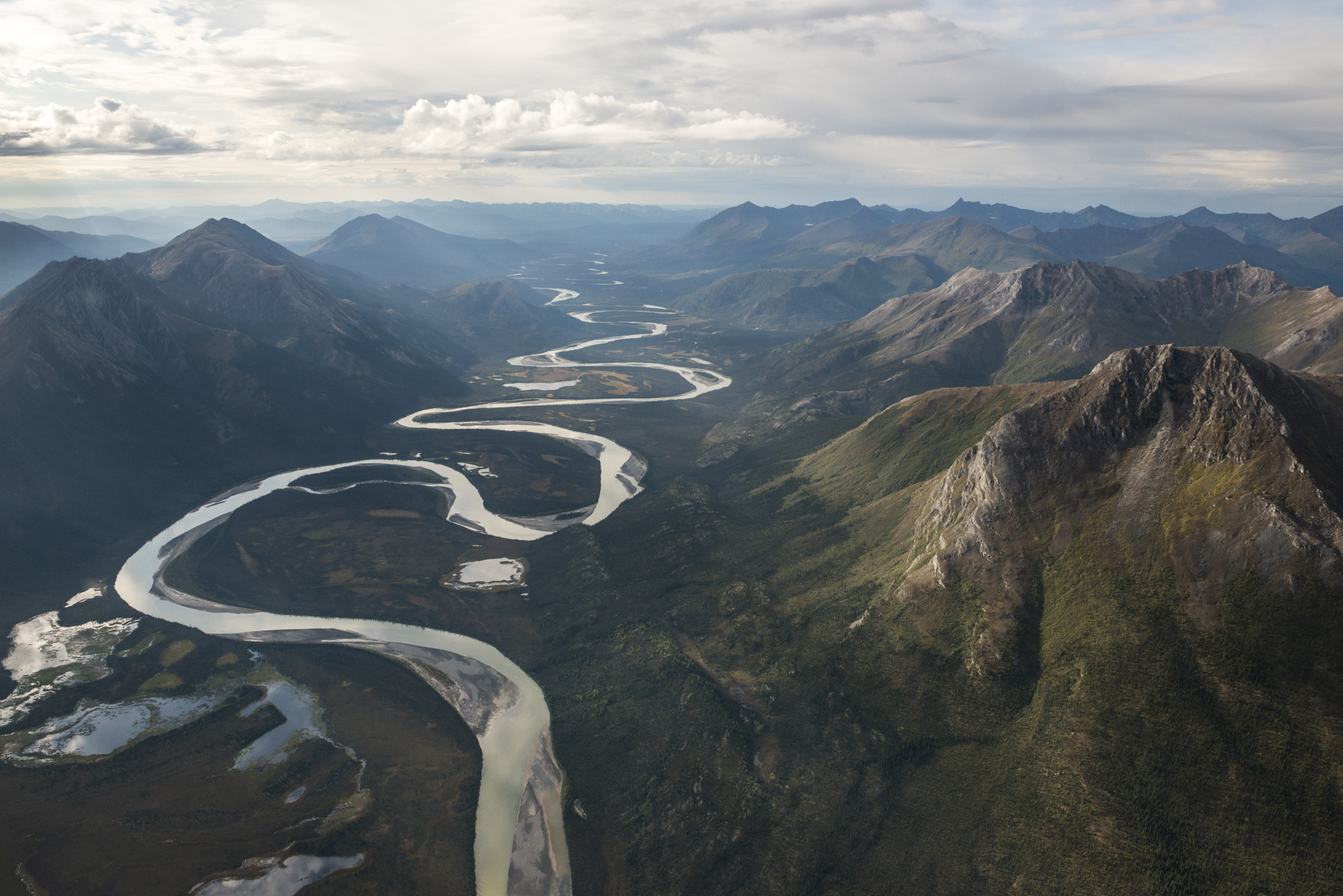
Gates of the Arctic National Park and Preserve protects 8.4 million acres of remote wilderness across Alaska’s central Brooks Range. With no roads, established trails, developed campgrounds, or conventional visitor facilities inside most of the park, this is one of America’s purest wilderness destinations and a place intended for experienced travelers seeking genuine Arctic exploration. Mountains, tundra, boreal forest, broad valleys, lakes, and wild rivers stretch across an enormous landscape where visitors choose their own routes. There are no marked hiking trails to follow, and traveling only a few miles can require hours of navigating tussocks, wetlands, dense vegetation, steep terrain, and river crossings. Backpacking is one of the classic ways to experience Gates of the Arctic National Park. Experienced wilderness travelers can design multi-day routes through the Brooks Range, while guides and outfitters provide options for visitors who want professional assistance with logistics, navigation, and backcountry travel. Wild rivers offer another remarkable way to explore the park. Multi-day floating trips can combine remote river travel with camping, hiking, fishing, wildlife watching, and extraordinary mountain scenery. Air taxis play an essential role, dropping travelers and equipment at remote locations and returning days later for pickup. Wildlife inhabits the landscape without fences or developed viewing areas. Visitors may encounter caribou, grizzly and black bears, wolves, moose, Dall sheep, and other Arctic species while traveling through their natural habitat. There are no hotels, restaurants, stores, or developed services inside the wilderness. Gateway communities such as Bettles and Anaktuvuk Pass provide limited services, while Fairbanks serves as the primary transportation and trip-planning hub for many visitors. Gates of the Arctic is not a park for casual sightseeing. For travelers with the necessary wilderness skills—or those joining an experienced guide—it offers something increasingly rare: the opportunity to travel for days through an immense Arctic landscape without roads, trails, or crowds determining where the journey should lead.
Gateway Arch National Park
National Park

Gateway Arch National Park

Missouri United States
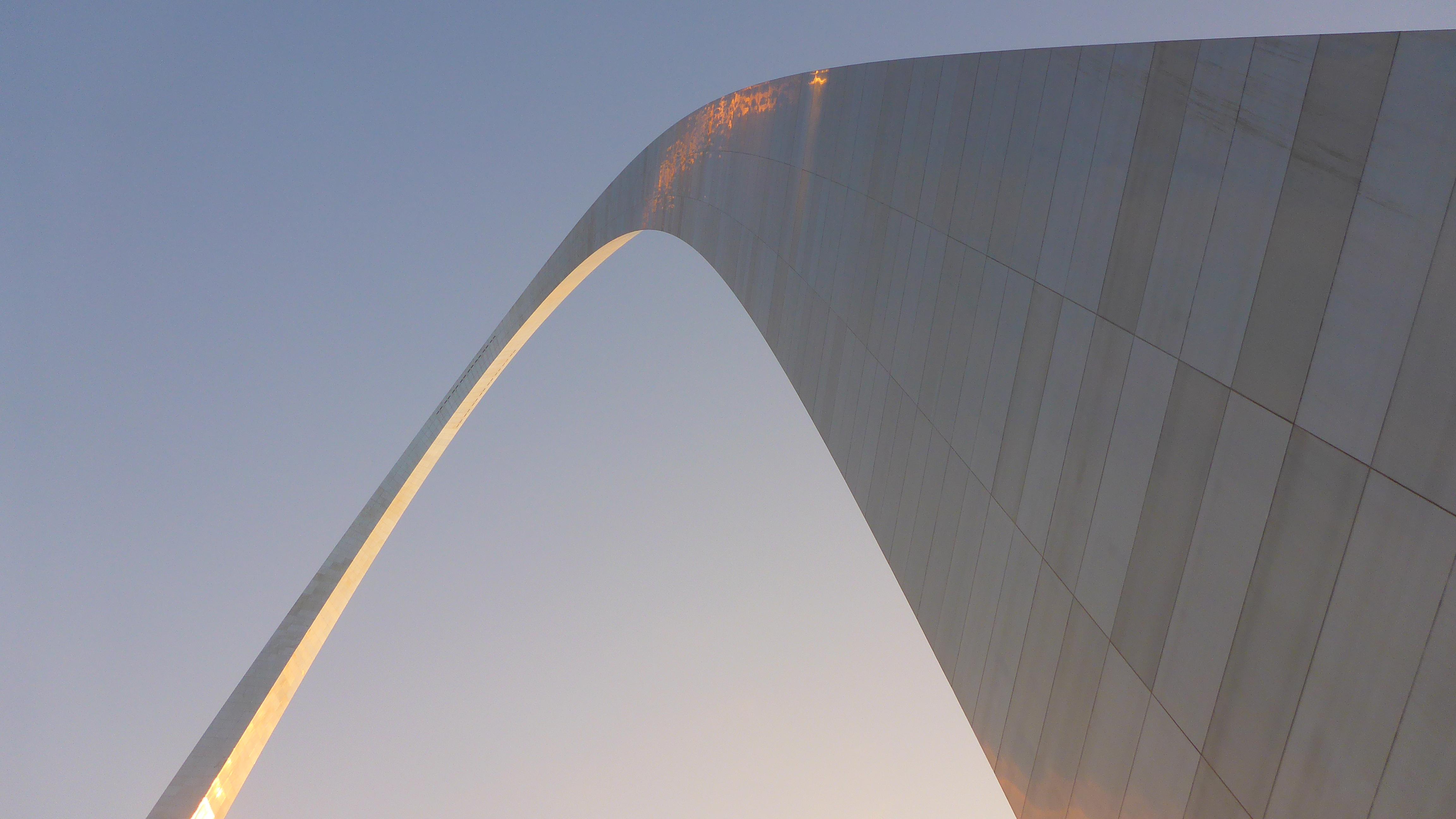
Gateway Arch National Park stands in the heart of downtown St. Louis, Missouri, where the iconic Gateway Arch rises 630 feet above the Mississippi River. Unlike America’s wilderness national parks, this urban destination combines architecture, history, panoramic views, museums, and riverfront sightseeing within walking distance of hotels, restaurants, and other major St. Louis attractions. The Gateway Arch is the centerpiece of every visit. Designed by architect Eero Saarinen, the stainless-steel monument has become one of the most recognizable landmarks in the United States. Visitors can experience the interior on the Tram Ride to the Top, where observation windows provide views across downtown St. Louis, the Mississippi River, and the surrounding region. Beneath the Arch, the Museum at the Gateway Arch explores the complex history of westward expansion. Exhibits examine Indigenous cultures, exploration, settlement, transportation, and the people whose lives were transformed as the United States expanded westward. The historic Old Courthouse adds another important dimension to Gateway Arch National Park. The building is closely connected with significant moments in American legal history, including the Dred and Harriet Scott freedom suits. There are many things to do around the park beyond visiting the monument. Travelers can walk the landscaped grounds, explore the St. Louis riverfront, photograph the Arch from different perspectives, join guided experiences, or combine a visit with Mississippi River cruises and other downtown attractions. Gateway Arch National Park does not provide lodging, but its central location creates an enormous range of nearby options. Downtown St. Louis offers hotels, restaurants, entertainment, tours, and public transportation within easy reach of the park. Whether you are planning a dedicated visit to the Gateway Arch, exploring American history, taking a tram to the top, or adding the park to a St. Louis city vacation, Gateway Arch National Park provides a national park experience centered on the people, events, and ambitions that shaped the nation.
Glacier National Park
National Park

Glacier National Park

Montana United States
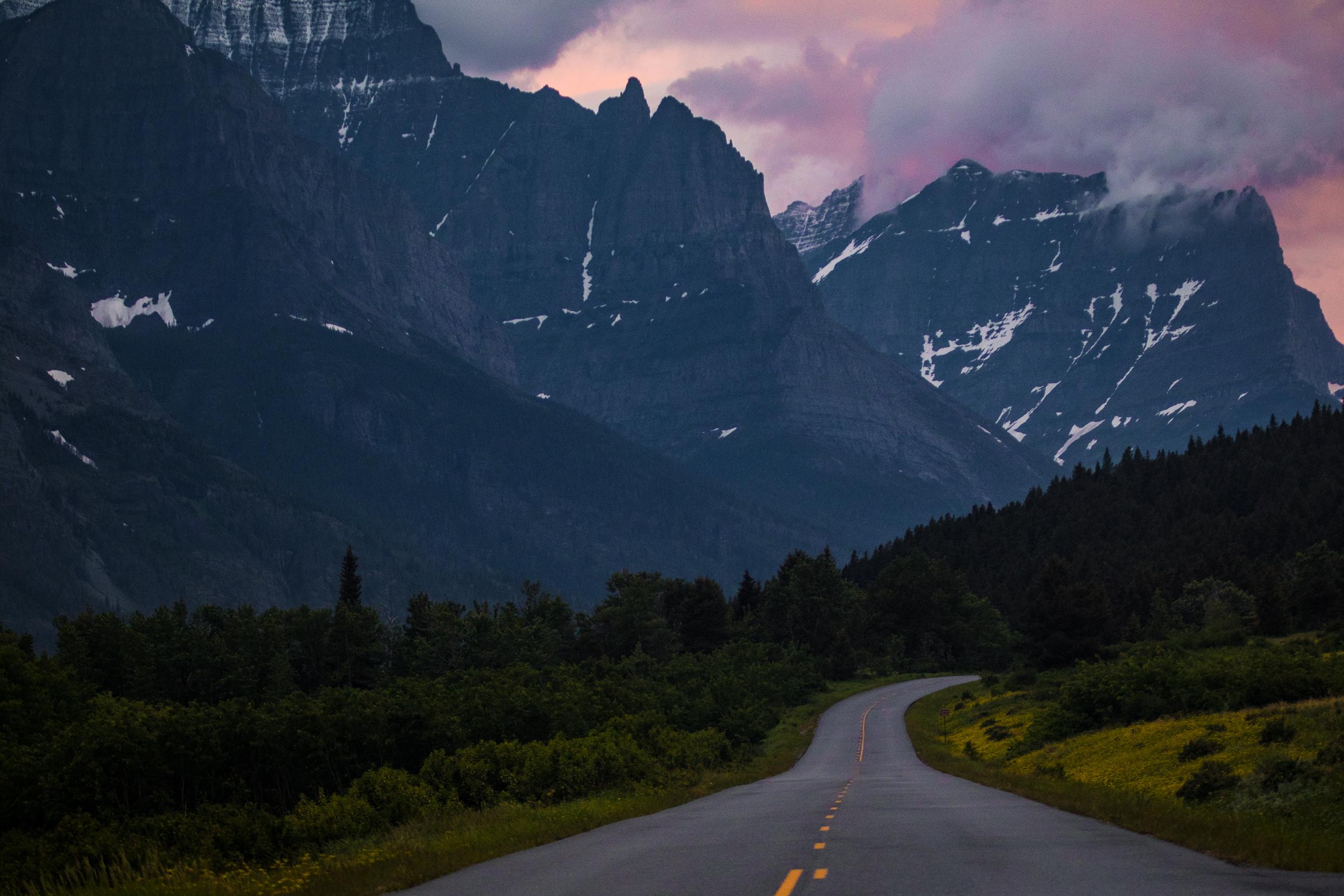
Glacier National Park is one of Montana’s most spectacular outdoor destinations, protecting more than a million acres of rugged mountains, alpine meadows, forests, waterfalls, and brilliant blue lakes along the northern Rocky Mountains. With hundreds of miles of hiking trails and landscapes shaped by ancient glaciers, the park rewards travelers who explore beyond its famous scenic highway. Going-to-the-Sun Road is one of the defining experiences of Glacier National Park. The spectacular mountain route crosses the park between West Glacier and St. Mary, climbing toward the Continental Divide at Logan Pass. Along the way, visitors encounter dramatic overlooks, waterfalls, trailheads, forests, and sweeping views across the surrounding mountains. Hiking is among the best things to do in Glacier National Park. More than 700 miles of trails range from easy walks to demanding backcountry routes. Popular destinations include Avalanche Lake, Hidden Lake, and the Highline Trail, while Many Glacier provides access to some of the park’s most celebrated mountain and lake scenery. Two Medicine offers another beautiful area to explore away from the busiest sections of the park. Wildlife watching adds another dimension to a Glacier vacation. Visitors may encounter mountain goats, bighorn sheep, elk, deer, moose, bears, and many other species. Boating, photography, fishing, cycling, camping, horseback riding, rafting, ranger programs, and guided tours provide additional ways to experience the region. Where you stay matters because Glacier is large and driving between different areas can take considerable time. Historic lodges and other accommodations are available at several locations inside the park, while West Glacier, St. Mary, Whitefish, Columbia Falls, and surrounding Montana communities provide additional hotels, cabins, vacation rentals, restaurants, and visitor services. Whether you come to drive Going-to-the-Sun Road, hike through alpine country, photograph mountain lakes, watch wildlife, or explore Glacier as part of a larger Montana road trip, spending several days allows you to experience the remarkable variety found on both sides of the Continental Divide.
Glacier Bay National Park & Preserve
National Park

Glacier Bay National Park & Preserve

Alaska United States
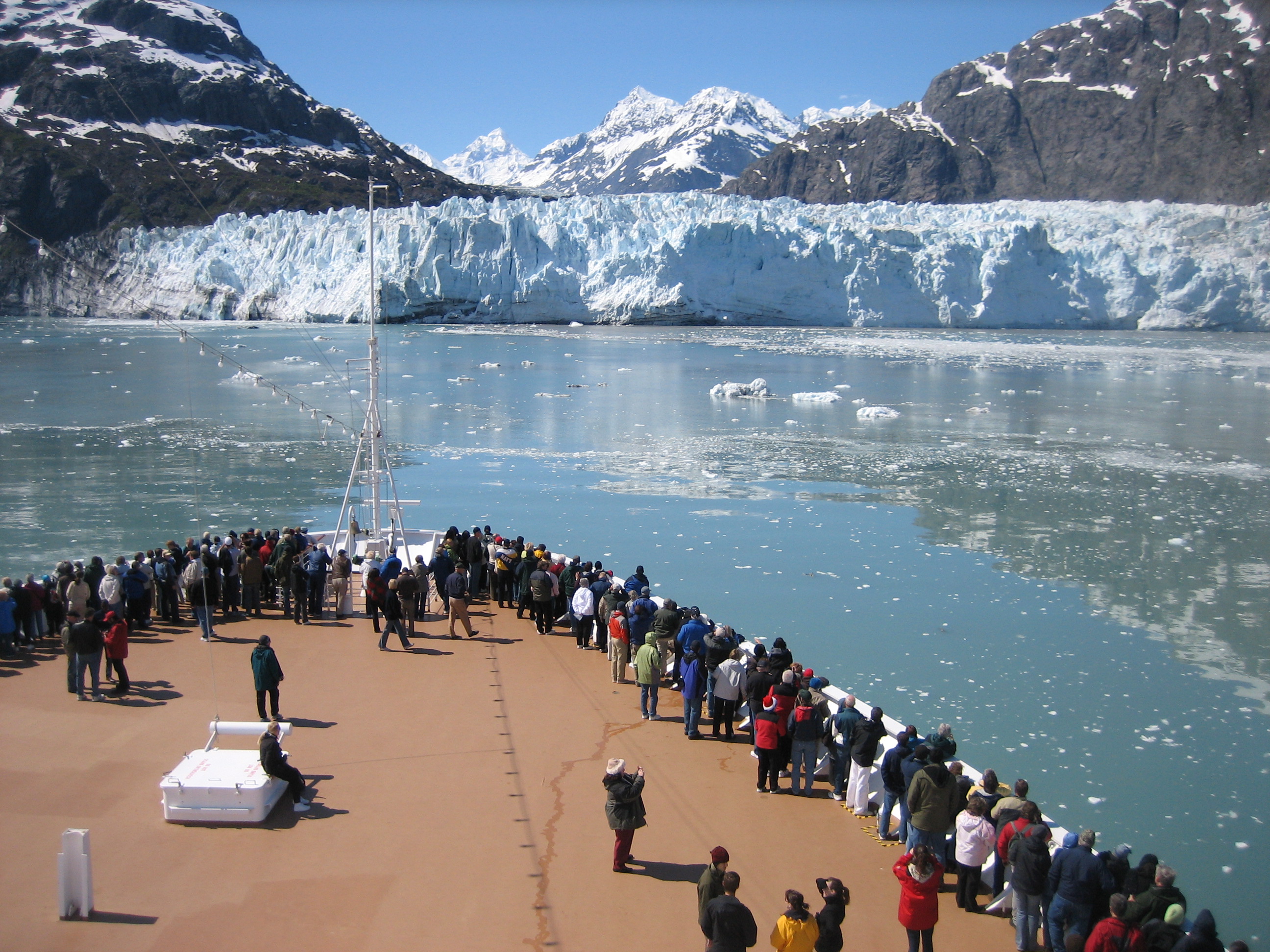
Glacier Bay National Park and Preserve protects a spectacular Alaska landscape of tidewater glaciers, deep fjords, snow-covered mountains, forests, islands, and rich marine habitat. Covering more than three million acres west of Juneau, the park reveals a landscape dramatically transformed by ice and offers unforgettable opportunities for glacier viewing, wildlife watching, boating, kayaking, hiking, and wilderness exploration. Many visitors first experience Glacier Bay from the water. Cruise ships travel deep into the bay on selected itineraries, providing views of mountains, glaciers, and wildlife from the ship. Independent travelers can experience the park more closely from Bartlett Cove, the primary developed area near the community of Gustavus. Day boat tours from Bartlett Cove travel farther into Glacier Bay and provide opportunities to see tidewater glaciers, seabird colonies, marine mammals, and remote coastal scenery. Depending on route and conditions, visitors may encounter humpback whales, sea otters, harbor seals, Steller sea lions, bears, mountain goats, and other Alaska wildlife. Kayaking offers an even more intimate way to explore the park. Paddlers can travel along protected shorelines, camp in remote wilderness, and experience the scale and silence of Glacier Bay far from developed areas. Guided trips provide options for travelers who prefer additional support in this challenging marine environment. Bartlett Cove also offers hiking trails, ranger programs, beach walks, wildlife watching, and opportunities to learn about the natural and cultural history of the region. The ancestral homeland and continuing connections of the Huna Tlingit are an essential part of understanding Glacier Bay. Glacier Bay Lodge provides seasonal accommodations in Bartlett Cove, while Gustavus offers additional lodges, inns, restaurants, transportation, and visitor services. Whether you experience Glacier Bay from an Alaska cruise, travel aboard a day boat, paddle beneath mountain scenery, watch humpback whales, or stay several days in Gustavus, the park offers far more than a distant view of ice. Spending time here reveals an entire ecosystem continually shaped by glaciers, ocean, wildlife, and people.
Grand Canyon National Park
National Park

Grand Canyon National Park

Arizona United States
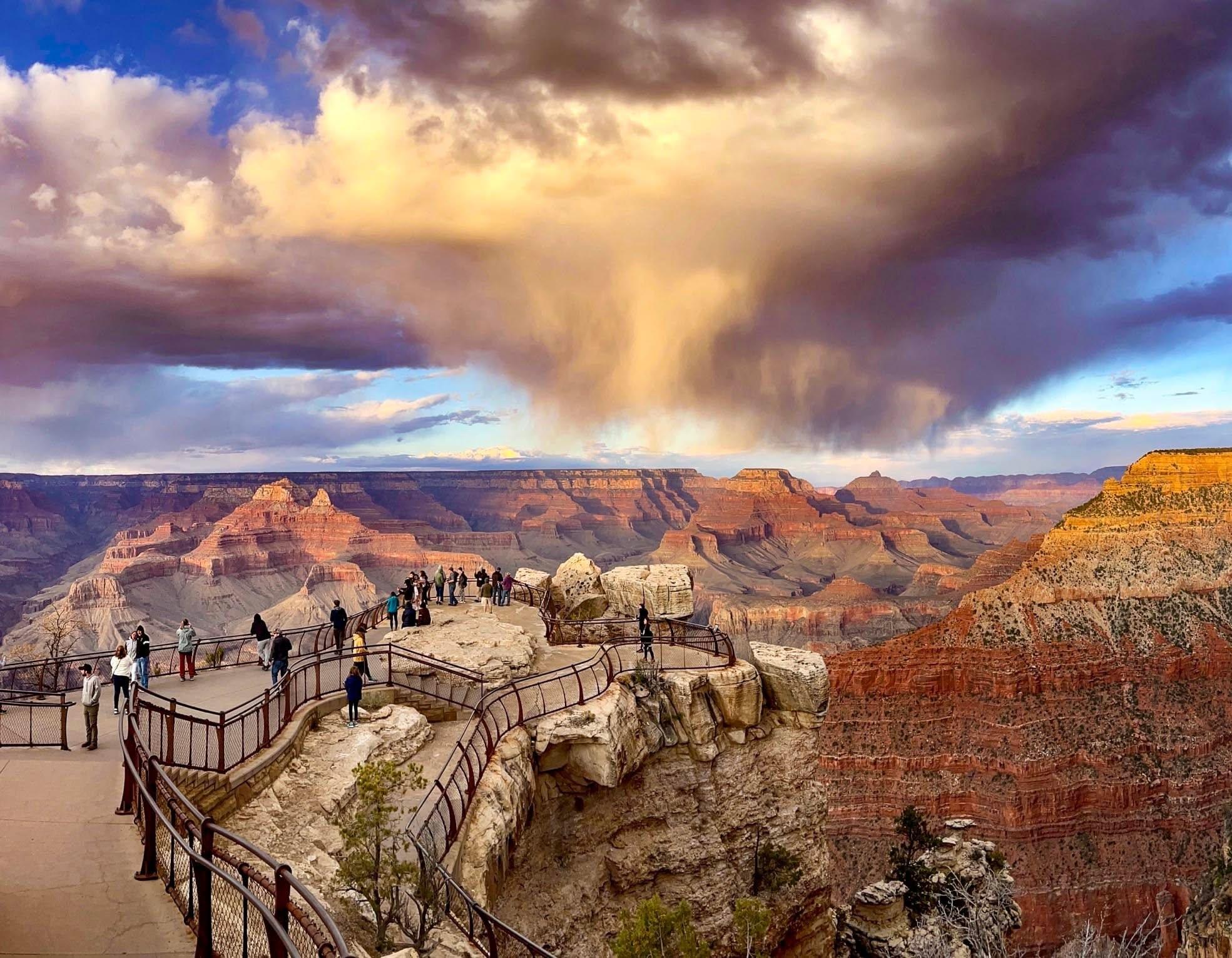
Grand Canyon National Park is one of America’s most spectacular natural destinations, protecting a vast section of the Colorado River and the immense canyon it has carved through northern Arizona. Stretching for hundreds of miles and reaching roughly a mile in depth, the Grand Canyon reveals layers of rock, changing colors, dramatic cliffs, and viewpoints that make every visit feel different. Most travelers begin at the South Rim, the most accessible and developed part of Grand Canyon National Park. Grand Canyon Village serves as a convenient base for exploring overlooks, historic buildings, trailheads, visitor services, and the park’s free shuttle system. Nearby viewpoints such as Mather Point offer expansive canyon panoramas, while Hermit Road and Desert View Drive provide opportunities to discover different perspectives along the rim. There are many more things to do at the Grand Canyon than simply stopping at an overlook. Visitors can walk sections of the Rim Trail, hike below the canyon rim, bike designated routes, watch sunrise or sunset, attend ranger programs, photograph the landscape, or explore the canyon on a guided experience. More adventurous options include mule trips, guided hiking tours, whitewater rafting on the Colorado River, and scenic air tours. Hiking into the Grand Canyon provides an entirely different perspective, but the change in elevation, heat, and steep terrain makes preparation essential. Trails such as Bright Angel and South Kaibab descend from the rim toward the inner canyon, while Phantom Ranch sits far below near the Colorado River. Choosing where to stay is an important part of planning a Grand Canyon vacation. Lodges are available inside the South Rim area, and additional hotels and accommodations can be found in nearby Tusayan and communities such as Williams and Flagstaff. Popular lodging can fill well in advance during busy travel periods. Whether you spend a few hours exploring scenic viewpoints or several days hiking, touring, and discovering the canyon, allowing extra time reveals how much Grand Canyon National Park offers beyond its famous first view.

Discover America's National Parks and Protected Places

America's national parks and protected places preserve some of the most extraordinary landscapes, wildlife habitats and historic landmarks in the world. From the geothermal wonders of Yellowstone and the immense granite walls of Yosemite to the desert scenery of Arches, the coastal wilderness of Acadia and the deep canyons of the Southwest, every destination offers a different way to experience the natural and cultural heritage of the United States. National Parks Explorer brings these remarkable places together in one easy-to-browse collection. Whether you are planning a family vacation, a national park road trip, a weekend hike or a once-in-a-lifetime outdoor adventure, you can use this directory to discover destinations that fit your interests. Explore famous national parks, national monuments, historic sites, recreation areas, scenic parkways and other protected landscapes while learning what makes each place unique. Our goal is to make the first stage of trip planning easier by helping you compare destinations, find new ideas and move quickly from inspiration to practical visitor information.

Use the filters above to search for places by name, place type, country or state and subdivision. This makes it easy to find national parks in a particular part of the country, explore destinations near an upcoming road trip or discover protected places that you may not have considered before. Visitors often begin with celebrated destinations such as the Grand Canyon, Great Smoky Mountains, Rocky Mountain, Zion or Olympic National Park, but the National Park System also includes battlefields, seashores, memorials, historic parks, preserves and many smaller sites with important stories to tell. Exploring by place type can reveal a wider range of experiences, from mountain trails and desert arches to historic buildings, scenic drives, islands, caves and waterways. The collection will continue to grow as additional destinations and visitor information are added. By keeping the search tools simple and placing the most important information in a consistent format, National Parks Explorer helps travelers spend less time searching across disconnected pages and more time deciding where their next adventure should begin.

Each destination page is designed to support practical trip planning. Depending on the information available, you may find park descriptions, maps, directions, weather guidance, current alerts, operating information, fees, reservation requirements and suggestions for things to do. This can help you understand whether a destination is suitable for a short visit, a full day, a multi-day stay or part of a longer national park itinerary. Conditions and access requirements can differ greatly between parks and seasons. Mountain roads may close during winter, desert temperatures can become dangerous in summer and popular trails or scenic areas may require timed entry, permits, lotteries or advance reservations. Reviewing these details before traveling can help you prepare more confidently and avoid preventable surprises. National Parks Explorer organizes planning information into clear sections so visitors can quickly identify what deserves extra attention. You should still confirm essential details with the official managing agency before departure, especially when your plans depend on road access, permits, opening hours, weather conditions or availability.

National park travel can take many forms. Some visitors are looking for challenging hikes, wildlife watching and remote backcountry experiences, while others prefer scenic overlooks, accessible trails, historic landmarks, photography locations or relaxed family activities. A successful trip does not require visiting only the most famous parks. Smaller monuments, historic sites and recreation areas can provide memorable experiences with fewer crowds and may fit naturally into a regional itinerary. Consider combining well-known destinations with nearby protected places, allowing enough time for travel, changing weather and unexpected discoveries along the way. Always respect posted regulations, wildlife safety guidance, trail closures and Leave No Trace principles so these places remain protected for future visitors. National Parks Explorer is built for travelers who enjoy discovering America's public lands and want a clear starting point for their research. Browse the destinations above, refine the results with the available filters and open any Place Card to continue exploring. Your next memorable park experience may be a world-famous landscape, a quiet historic location or a hidden destination that you discover here for the first time.

Planning a national park journey often begins with choosing the right region and understanding how several destinations can fit together. The western United States is known for dramatic mountain ranges, desert scenery and large wilderness areas, while the eastern states offer forested parks, historic landscapes, coastlines and scenic drives. Alaska and Hawaii provide entirely different experiences, from glaciers and remote wildlife habitats to volcanic landscapes and tropical ecosystems. Travelers can use National Parks Explorer to compare these regions and identify places that match their available time, preferred season and style of travel. A carefully planned itinerary may combine a major national park with nearby monuments, historic sites or recreation areas that are sometimes overlooked. These additional stops can add variety to a journey and provide a deeper understanding of the landscapes and communities surrounding the best-known destinations.

Seasonal timing can have a major influence on the national park experience. Spring may bring waterfalls, wildflowers and cooler hiking conditions, while summer offers longer daylight hours but can also bring crowds, heat and limited availability. Autumn is popular for changing colors, wildlife activity and comfortable temperatures in many regions. Winter transforms some parks into quiet snow-covered landscapes, although roads, facilities and trails may be closed or difficult to reach. The ideal season depends on the destination, elevation, climate and activities you hope to enjoy. Before finalizing a trip, review current conditions, transportation options, reservation rules and operating schedules. Flexible planning is especially valuable when weather, wildfire activity, flooding or temporary closures affect access. Having alternative places and activities in mind can help keep an itinerary enjoyable even when plans need to change.

Responsible travel helps protect national parks and historic places for future generations. Visitors should remain on designated trails where required, store food safely, observe wildlife from an appropriate distance and follow all local regulations. Carrying sufficient water, preparing for changing weather and understanding personal limits are essential parts of outdoor safety. In busy destinations, arriving early or using park transportation can reduce congestion and improve the experience. In quieter locations, visitors may need to be more self-sufficient because services and mobile coverage can be limited. National Parks Explorer provides a convenient starting point for researching destinations, but final decisions should always be based on current information from the official managing agency. Explore the collection, compare different types of protected places and continue building an itinerary that reflects your interests, available time and sense of adventure.
Information & Disclaimer

National Parks Explorer strives to present accurate and up-to-date information collected from official and trusted sources, including the National Park Service. While we make every effort to keep this information current, information may be incomplete, inaccurate, outdated or subject to change without prior notice, including access requirements, permits, reservations, operating hours, alerts, fees, road and trail conditions, weather and other visitor information.

Read more Read less

Always verify the latest information with the relevant official source before making travel plans, reservations, purchases or visiting a park.

National Parks Explorer is an independent information platform provided through national-parks-usa.com and is not affiliated with or endorsed by the National Park Service or other data providers. All information is provided for general informational and planning purposes only and is used entirely at your own risk. To the fullest extent permitted by applicable law, National Parks Explorer and national-parks-usa.com cannot be held responsible or liable for any loss, damage, injury, inconvenience, missed reservation, travel disruption, financial loss, additional expense or other costs resulting from the use of, or reliance upon, information provided through this website.

Back
Top